
Japan is widely recognized as one of the world’s leading culinary destinations. Its capital, Tokyo, boasts the highest concentration of Michelin-starred restaurants globally, while other major cities, such as Kyoto and Osaka, rank among the world’s top gastronomic centers. The nation is celebrated for its remarkable culinary diversity, ranging from refined kaiseki dining and sushi to regional ramen, street food, and trendy fruit sandos. Yet despite its rich and varied food culture, Japan’s history tells a very different story. For over 1,200 years, the consumption of meat was banned.
The prohibition of meat consumption in Japan dates back to 675 A.D., when Emperor Tenmu issued an edict restricting the consumption of not just cows and chickens but also horses, dogs, and monkeys. The decree was influenced by fundamental Buddhist principles of non-violence and reincarnation, marking the beginning of a broader cultural taboo against meat consumption that shaped the culinary tapestry of Japanese society for centuries to come.
Over time, beef became especially stigmatized, with some historical records describing a fasting period of up to 150 days for those who consumed it. However, several loopholes persisted. Fish and seafood were excluded from the restrictions, helping to foster Japan’s deeply rooted and highly sophisticated seafood culture. Wild game such as deer and wild boar also remained relatively common, partly because they were never included in the earliest edicts and also due to the fact that they were referred to as yamakujira (“mountain whale”), allowing them to be symbolically associated with fish (yes — whales were considered giant fish) rather than land animals.
How was Japan’s ban on meat eventually lifted?
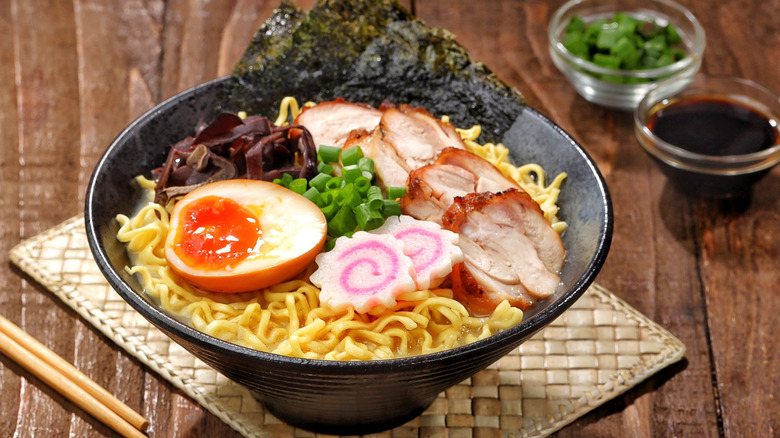
Following the Meiji Restoration in 1868, Japan emerged from centuries of self-imposed isolation. Noticing that Europeans soldiers were taller and built larger than the average Japanese citizen, the state believed that the physical difference was based on diet. Their solution, therefore, was to reintroduce meat back into Japanese society to literally bulk up its populace and modernize its society.
Public demand played no role in this decision. After nearly 1,200 years of taboo, meat was still viewed negatively by much of the population. To shift public opinion, in 1872, the imperial court issued an official proclamation stating that Emperor Meiji had personally eaten beef and mutton. At the time, the Emperor was widely regarded as a living deity, and by publicly denouncing the ban, he hoped to reshape the public attitude toward meat. This effort was reinforced by an aggressive state-backed campaign that criticized the millennia of vegetarianism as outdated and promoted meat consumption as a patriotic duty for the benefit of Japan’s rapid modernization.
Despite the effort from the state to normalize meat in society, the decision to lift the ban was met with backlash. Just one month after Emperor Meiji publicly consumed meat, a group of 10 mountain monks armed with swords infiltrated the imperial palace to get to the Emperor. Beyond resistance, many anti-meat movements grew within Japanese society, and it took a long time to break the overwhelming stigma. Today, while meat is not consumed as heavily in Japan as it is in countries like the United States, meat dishes have become firmly embedded in Japanese cuisine, appearing everywhere from tucked-away izakayas to high-end restaurants specializing in premium cuts of Wagyu beef.