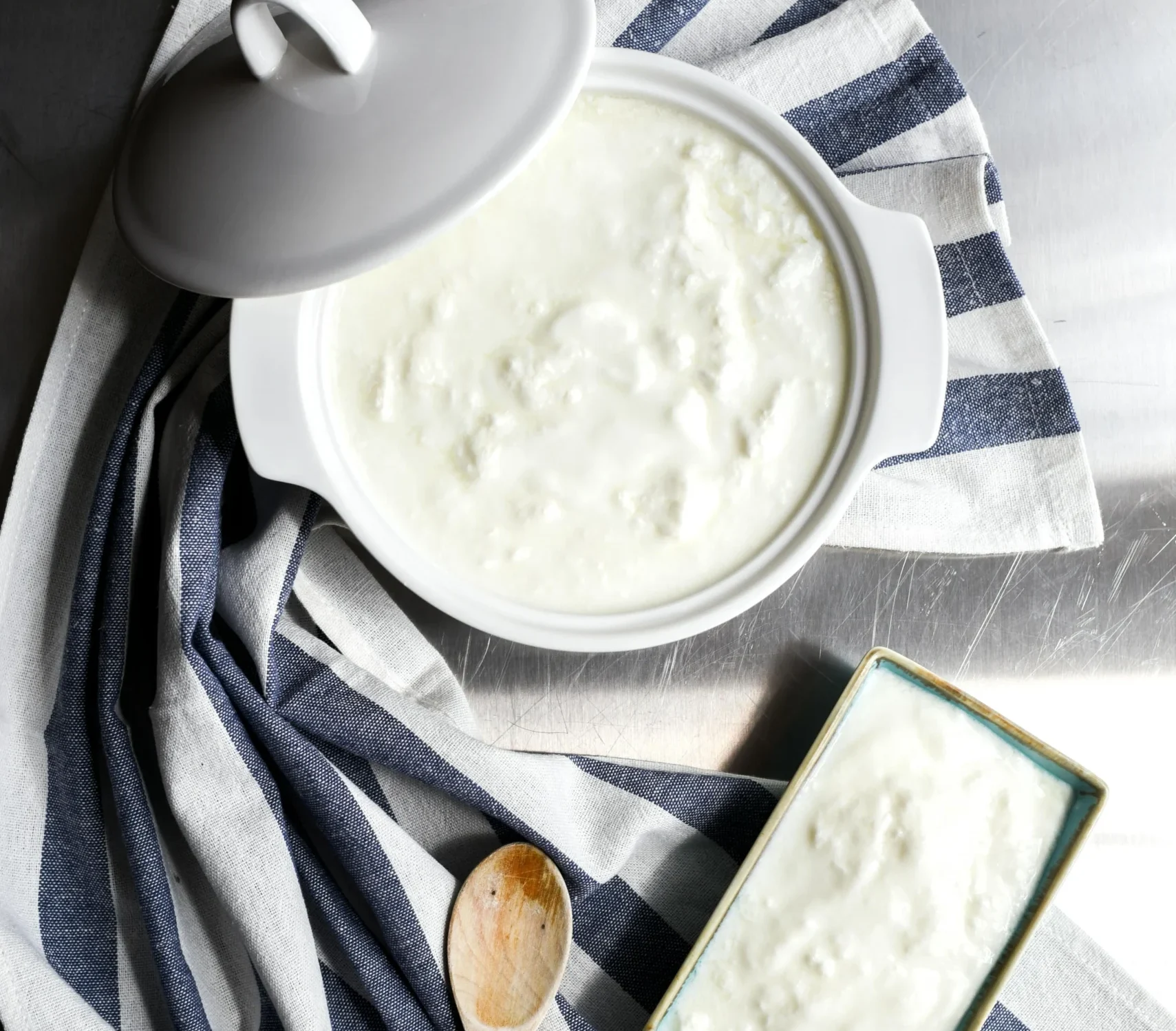
Curd (yogurt) is perhaps the most nutritious food in the Indian diet.
It’s served with almost every meal, used in marinades, eaten as a snack, and relied upon for digestive health.
But many of my patients ask: How many calories are actually in curd? Is it okay if I’m on a diet? Which type is best—sweetened or plain?
Understanding curd nutrition is crucial because, while curd is genuinely healthy, different types have vastly different nutritional profiles.
A bowl of sweetened fruit yogurt is nothing like plain curd. In my practice, I’ve seen patients include curd thinking it’s completely healthy, unaware they’re consuming added sugars and extra calories.
Today, I’m breaking down curd calories, nutrition, and how to choose and eat curd to maximize benefits.
What Is Curd? Quick Overview

Curd is milk fermented with beneficial bacteria (yogurt cultures), creating a tangy, creamy product.
Indian curd typically has a consistency between Greek yogurt and regular yogurt—thicker than pourable yogurt but creamier than Greek yogurt.
The fermentation process transforms milk into curd, creating probiotics (beneficial bacteria) that aid digestion.
This is why curd has been central to Indian nutrition for centuries.
How Many Calories in 200g Plain Curd?
Here’s the straightforward answer for plain, unsweetened curd:
200 grams of plain curd contains approximately 120-140 calories.
But this varies based on curd type and fat content. Let me break down the options:
| Curd Type | Calories (200g) | Fat Content | What It Represents |
|---|---|---|---|
| Low-fat/Toned Milk Curd | 100-110 | Low | Reduced calories |
| Regular/Full-fat Curd | 120-140 | Medium | Standard curd |
| Thick/Greek-style Curd | 140-160 | Higher | Concentrated protein |
| Sweetened/Flavored Curd | 160-200+ | Variable | Extra sugar |
Key Context: 200g plain curd is approximately one standard serving bowl. This is what most Indians eat as a side with meals or as a snack.
Complete Nutritional Breakdown: What’s in 200g Plain Curd?
This is where curd reveals its nutritional treasure:
| Nutrient | Amount (200g) | Why It Matters |
| Calories | 120-140 kcal | Modest energy source |
| Carbohydrates | 8-10g | Natural lactose, minimal |
| Sugar (natural) | 8-10g | Lactose, not added sugar |
| Protein | 12-15g | High-quality protein |
| Fat | 4-5g | Healthy fats from milk |
| Calcium | 250-300mg | 25-30% daily requirement |
| Probiotics | Billions | Essential for gut health |
| Vitamins | B12, B2, selenium | Essential micronutrients |
What This Composition Means:
Plain curd at 120-140 calories with 12-15g protein is nutritionally excellent.
The protein-to-calorie ratio makes it efficient nutrition—you get substantial protein without excessive calories.
The natural sugar (lactose) is minimal compared to added sugar products.
Calcium supports bone health. But most importantly, the probiotics aid digestive health, nutrient absorption, and even immune function.
Curd is truly one of the few foods that’s simultaneously healthy AND delicious.
Why Curd Type Matters: The Sweetened vs. Plain Comparison

This is crucial because many people unknowingly consume sweetened curd:
| Curd Type | Calories (200g) | Sugar Content | Protein | Best For |
| Plain Curd | 120-140 | 8-10g (natural) | 12-15g | All health goals |
| Fruit/Flavored Curd | 160-200 | 20-25g (added) | 10-12g | Occasional treat |
| Sweetened Curd | 180-220 | 25-30g (added) | 10-12g | Avoid |
| Greek Yogurt | 140-160 | 6-8g (natural) | 15-20g | Muscle gain, weight loss |
| Low-fat Curd | 100-110 | 8-10g (natural) | 11-13g | Weight loss, lower-fat diet |
The Key Difference: Plain curd (120 cal, 8g natural sugar) is nutritious. Flavored curd (180 cal, 25g added sugar) is a dessert disguised as health food.
A 200g bowl of flavored curd provides equivalent calories to 2 gulab jamuns—yet people think flavored yogurt is “healthy.” This is the trap.
Why Plain Curd Is Superior for Health?
In my practice, I always recommend plain curd for one simple reason: you control what goes into it.
Benefits of Plain Curd:
- Only natural lactose sugar (8-10g), not added sugar
- High protein supports muscle and satiety
- Probiotics support digestive health
- Calcium for bone health
- Works for all dietary goals (weight loss, muscle gain, diabetes management)
- Versatile (can be made sweet or savory)
- No artificial flavors or additives
If you want flavor, add your own honey, fresh fruit, or nuts. This gives you complete control over sugar content and calorie amount.
Health Benefits of Plain Curd
1. Supports Digestive Health:
The probiotics in curd (Lactobacillus bulgaris, Streptococcus thermophilus) populate your gut with beneficial bacteria.
This aids digestion, nutrient absorption, and even supports immunity.
Many of my patients with digestive issues improve significantly after including plain curd regularly.
2. High-Quality Protein Source:
At 12-15g protein per 200g, curd is an efficient protein source.
This supports muscle maintenance, tissue repair, and satiety. A bowl of curd with lunch keeps you full for hours.
3. Bone Health:
The combination of calcium, protein, and vitamin D (if fortified) supports bone health.
Regular curd consumption is associated with better bone density, particularly important for women approaching menopause.
4. May Support Weight Loss:
The high protein-to-calorie ratio creates satiety without excessive calories.
Studies suggest regular yogurt consumption is associated with lower weight gain over time, particularly when plain curd is used (not sweetened varieties).
5. Supports Immune Function:
The probiotics and nutrients in curd support gut health, which is closely linked to immune function. Regular curd consumption may reduce the risk of infection.
Plain Curd vs. Other Dairy Options
Where does curd stand against other protein sources?
| Food | Serving | Calories | Protein | Probiotics | Best Feature |
| Plain Curd | 200g | 120-140 | 12-15g | Yes | Digestive health |
| Greek Yogurt | 170g | 140-160 | 15-20g | Yes | Higher protein |
| Milk | 200ml | 130 | 6.4g | No | Calcium, quick absorption |
| Cheese | 30g | 120 | 7g | No | Higher fat |
| Paneer | 100g | 265 | 25g | No | Very high protein |
The Comparison: Curd is superior to milk for digestive health (probiotics). Greek yogurt has slightly more protein but is more expensive and less traditional. Paneer has more protein but is higher calorie and higher fat.
For most purposes, plain curd is the best choice—balancing nutrition, cost, digestibility, and health benefits.
Is 200g Curd Too Much? Portion Considerations

This is a practical question: Is there such thing as eating “too much” curd?
The Answer: No, not really.
Plain curd is safe to eat in substantial quantities. 200g per meal is appropriate.
You could eat 500g daily without concern (beyond calorie accumulation if your total diet is excessive).
Why:
- Probiotics support health; more is generally better
- Protein is beneficial; no upper limit for healthy individuals
- Calcium is essential; more isn’t harmful
- The fat content is minimal and healthy
The only caution: If curd is sweetened, then yes, consuming large quantities becomes problematic due to sugar accumulation.
Curd for Different Health Goals:
1. For Weight Loss:
Plain curd at 120 calories per 200g with 12-15g protein is excellent.
The satiety-to-calorie ratio is superb. Eat 200g plain curd as a snack or with meals. You’ll feel fuller with fewer calories.
2. For Muscle Gain:
Curd provides quality protein. However, 12-15g per serving may be insufficient alone.
Pair with other protein sources or consume multiple servings daily (400-600g) to reach protein targets.
3. For Digestive Health:
Plain curd 2-3 times daily supports optimal gut health.
The probiotics colonize your digestive system, improving digestion and nutrient absorption. This is the primary recommendation in Ayurveda.
4. For Diabetes Management:
Plain curd is perfect—minimal sugar (only natural lactose), high protein prevents blood sugar spikes, and probiotics support overall health.
Eat freely. Avoid flavored varieties completely.
5. For Bone Health:
Regular curd consumption (daily) supports bone health through calcium, protein, and probiotics (which enhance calcium absorption).
Particularly important for women over 40.
How to Choose Quality Curd?
Not all curd is created equal. Here’s what to look for:
Best Choice:
- Plain curd from full-fat milk
- No added sugar (naturally contains only ~8-10g lactose)
- Live and active cultures listed (probiotics)
- No artificial flavors or preservatives
- Within 3-5 days of production
Okay Choice:
- Low-fat plain curd (lower calories, less fat, still healthy)
- From trusted local dairies
- Live cultures present
Avoid:
- Sweetened or flavored curd (added sugar)
- Old curd (probiotics diminish with time)
- From dubious sources (food safety concern)
- With artificial sweeteners (health concerns uncertain)
Practical Ways to Eat Plain Curd
Plain curd can be eaten in multiple ways:
- With Meals: Classic pairing with rice and dal; aids digestion
- With Fruit: Add fresh mango, berries, or banana to plain curd; natural sweetness, no added sugar
- With Honey: 1 teaspoon of honey with curd provides sweetness while controlling sugar
- With Granola/Nuts: Curd with almonds or walnuts adds texture and additional nutrition
- In Marinades: Use curd to marinate chicken or paneer (tenderizes, adds flavor)
- In Raita: Traditional vegetable side dish; balanced meal component
- As Smoothie Base: Blend curd with fruit and milk for a protein-rich drink
FAQs
How many calories in flavored curd vs. plain curd?
Plain curd (200g) = 120-140 calories. Flavored curd (200g) = 160-200 calories. The difference is added sugar. For weight loss or health, always choose plain.
Is curd good for weight loss?
Yes. Plain curd at 120 calories per 200g with 12-15g protein is excellent for weight loss. The high protein creates satiety, keeping you fuller longer. Avoid flavored varieties.
Can I eat curd every day?
Yes, plain curd every day is healthy and recommended in traditional Indian nutrition. The probiotics, protein, and calcium provide consistent health benefits. Eat 200-400g daily without concern.
Which is better: Greek yogurt or plain curd?
Both are healthy. Greek yogurt has slightly more protein (15-20g vs. 12-15g) but is expensive. Plain curd is affordable, culturally appropriate, and equally beneficial. Choose curd unless you specifically need extra protein.
Is sweetened curd okay occasionally?
How much curd should I eat daily?
For digestive health and general nutrition, 200-400g daily (one to two standard servings) is appropriate. This provides probiotics, protein, and calcium without excessive calories.
Also Read:
Final Thoughts: Curd as Nutritional Foundation
Curd is one of the few foods that’s genuinely healthy AND delicious. It’s been part of Indian nutrition for centuries for good reason.
The key is choosing plain curd and controlling what you add.
Plain curd at 120 calories with 12-15g protein, probiotics, and calcium is nutritional excellence.
Sweetened curd at 200 calories with 25g added sugar is a dessert pretending to be health food.
Make plain curd a regular part of your diet. Serve it with meals, eat it as snacks, use it in marinades.
The probiotics, protein, and calcium will support your digestive health, muscle function, and overall wellness in ways few other foods can match.