It’s not just you: Time really is moving faster as we get older, at least according to a new study published in Cell1. New research shows that the effects of aging accelerate significantly beginning at around age 50 — and experts aren’t surprised.
“Midlife is when several systems begin to lose reserve at the same time,” explains Dr. Mao Shing Ni, a 38th-generation doctor of Chinese medicine. Though he was not involved in the study, the results only confirm what he already sees day-to-day with his patients. “Hormonal signaling becomes less consistent, metabolic resilience worsens, vascular aging shows up in plaque, hardening as in loss of elasticity, varicose veins, cumulative inflammatory load, and years of poor sleep, lack of exercise, excess calories, alcohol, smoking, and psychosocial stress begin to show their biological price.”
It would be easy to be discouraged by these new findings. But in reality, they’re all the more reason to start taking action today. After all, an ounce of prevention is worth a pound of cure. Here’s everything you need to know about the new study and what it means for you — including the health and wellness routines to adopt if you want to stay fit and healthy into your 50s and beyond.
Aging Accelerates Significantly at Age 50, Data Shows
This new study provides clear data to prove what experts had long suggested: that vascular and systemic aging accelerate around midlife. To prove this hypothesis, the researchers from the Chinese Academy of Sciences analyzed 516 samples from 13 human tissues spanning five decades. Their conclusions showed that the starkest changes in the aging of a wide range of organs occurred between the ages of 45 and 55.
“Together,” the researchers write, “our findings lay the groundwork for a systems-level understanding of human aging through the lens of proteins.”
Dr. Mao says that these findings align with what Traditional Chinese Medicine has known for centuries. He cites the Yellow Emperor’s Classic of Medicine — the oldest book on health and medicine in China — which, he says, “states that rapid degradation and aging occurs at 49 for women and 56 for men.”
“Clinically, many of my patients feel a noticeable decrease in their ability to recover from exercise or illness, body composition — more fat, less muscle, blood sugar control, quality of sleep, and increased inflammation around midlife,” he adds. He also notes that “for women it’s quite obviously correlated with menopause, which happens on average around 50 years of age.”
Leslie Kenny, a Harvard-educated longevity expert and co-founder of the Oxford Longevity Project, agrees. “Estrogen is highly protective of the cardiovascular system, brain, bone, and metabolism,” she says, “so this shift can increase vulnerability to vascular aging.”
Decreased Cellular Renewal
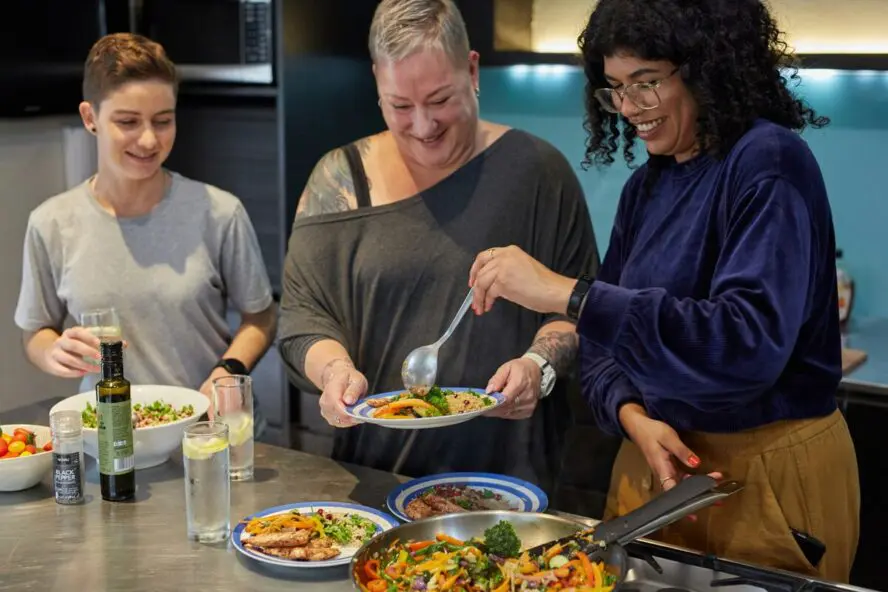
For men and women both, she adds, this sharp downturn at around age 50 is linked to a decline in cellular renewal. “As we age, the efficiency of processes like autophagy, the body’s internal recycling system, tends to decrease,” Kenny says. “When this system becomes less effective, damaged proteins and cellular debris accumulate, contributing to dysfunction across tissues and organs.”
Daniel Ghiyam MD, Longevity MD and Founder at MedPodLA, expands on this process. “A few things are hitting at once, and they tend to reinforce each other in ways that make the decline feel sudden even when it wasn’t,” he says. “Hormone production starts compressing in your 40s, and those hormones were doing a lot of work behind the scenes, keeping inflammation in check, supporting mitochondria and maintaining lean tissue. When that axis starts to shift, you lose a layer of protection you probably didn’t even know you had.”
He specifically cites the new study’s analysis of proteostasis, which he characterizes as “the body’s ability to clear out damaged proteins and recycle cellular debris.” At midlife, he says, “that process slows down, damaged proteins accumulate, and you start seeing downstream effects across multiple organs.”
Certain Organs Age Faster than Others
In addition to identifying a turning point in aging, the study is also one of the first of its kind to investigate how aging affects individual organs — and the results show that not all systems age the same way. The team found that blood vessels, in particular, are “markedly susceptible to aging” — and according to Dr. Mao, this “may play a central role in systemic aging.” Indeed, this finding stood out to a number of experts.
“What is most striking is that blood vessels — specifically the aorta — are among the earliest and most sensitive tissues to age,” says Dr. John La Puma, MD, FACP, board-certified internist, longevity expert, and NYT-bestselling author. This, he says, indicates that “vascular health is not just about heart disease; it is a primary driver of systemic biological aging.”
In addition to the vascular system, the new research identified the spleen, pancreas, and adrenal tissues as showing early aging signs, supporting the idea that the endocrine system is particularly important to support as we age.
How to Slow Down Aging
It’s tempting to take these new findings as fate, but experts say they should be read more as a wake-up call. “I get why people find it alarming,” says Dr. Ghiyam. “But I think the more dangerous misread is resignation, the idea that 50 is some kind of cliff you fall off and there’s not much to do about it.”
“This study is describing what happens when nothing intervenes,” Dr. Ghiyam continues. “It is a picture of default aging. And default aging in most Western adults involves years of suboptimal sleep, chronic inflammation that was never addressed, hormonal decline that was treated as inevitable, and muscle loss that started quietly in their 30s. The gap between someone who has been paying attention to their biology and someone who hasn’t becomes very visible around this age. That’s what the data is capturing, not some immovable biological fate.”
Dr. Mao agrees. “This study reinforces a message I often give patients — do not wait for symptoms to become dramatic before you take your future seriously.” And since, as Kenny notes, Oxford-linked research supports the idea cardiovascular health is rooted in behaviors begun as early as adolescence, it’s never too late to start.
“What struck me about this study is actually the aorta finding, specifically that vascular protein changes start showing up around age 30, which is way earlier than most people think about cardiovascular aging,” says Dr. Ghiyam. “That piece is important and I don’t think it’s getting enough attention in how this study is being covered. The age 50 inflection point for broader systemic aging makes complete sense, but the vascular story starting at 30 is where I think the real clinical implication lives.”
If you want to do your utmost to ensure not just a long lifespan but a long healthspan, here’s what experts suggest.
Be Informed
Every body is different, and no two bodies will age in exactly the same way. For this reason, our experts recommend first getting a fuller picture of your own individual biology. “You cannot act on what you don’t know,” says Dr. Mao, who advocates for early screening of blood pressure, cholesterol, lipids, glucose, and body fat.
“The patients I see who are aging well in their 50s and 60s are almost never the ones who just stumbled into good habits. They are the ones who got curious earlier than most people do.”
Dr. Daniel Ghiyam MD, Longevity MD and Founder at MedPodLA
“It’s amazing how many patients in their 30s already show signs of elevated cholesterol, glucose, high blood pressure — untreated hypertension, diabetes, hyperlipidemia, sleep apnea, hearing loss, depression, and obesity quietly but definitively accelerate long-term decline.”
Dr. Ghiyam, too, advocates for getting informed, specifically regarding hormones and inflammation. “In practice, the things I find make the biggest difference in this window are lab guided hormone optimization because the protective effects on inflammation and tissue integrity are real and measurable, and actually testing for and addressing chronic low grade inflammation rather than assuming it isn’t there,” he says. “The patients I see who are aging well in their 50s and 60s are almost never the ones who just stumbled into good habits. They are the ones who got curious earlier than most people do.”
Move Your Body
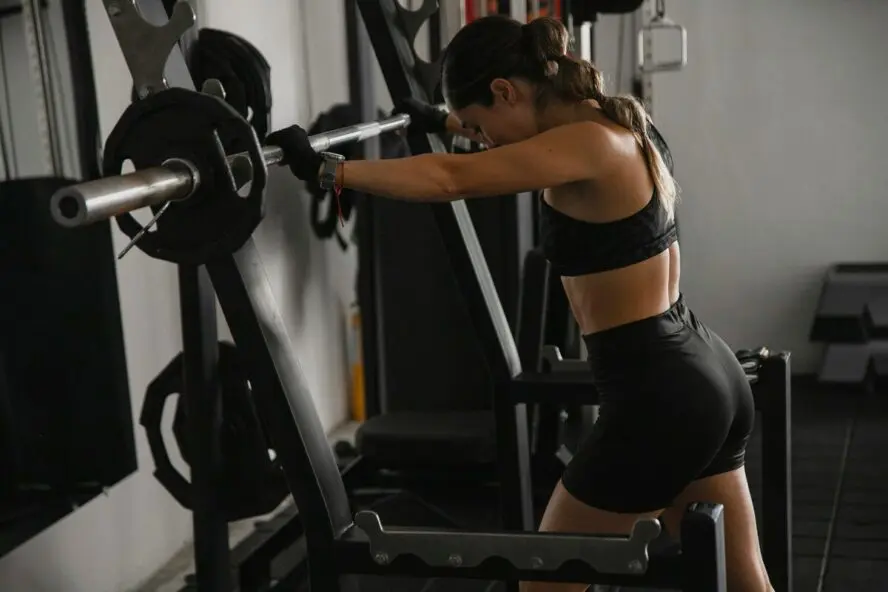
Exercise is a crucial element in preserving longevity, specifically a combination of aerobic work and resistance training to build muscle.
“I’m a muscle researcher, so I’m biased (but I’m right),” says Dr. Rachele Pojednic, Chief Science Officer, Restore Hyper Wellness, “muscle is the tissue of longevity.” She recommends resistance training, which she says is “one of the most powerful lifestyle tools we have for healthy aging.”
“Muscle is one of the strongest predictors of longevity and functional independence,” she says. “It’s metabolically active and supports hormonal regulation in ways most people underestimate.”
Dr. Mao seconds this, noting that building muscle influences insulin sensitivity, inflammation, vascular health, balance, bone density, and functional independence.
“Muscle acts as a longevity organ and releases anti-inflammatory signaling molecules called myokines, which support whole body resilience,” adds Kenny.
Get Restorative Sleep
Sleep hygiene is an essential element for increasing longevity and healthspan, according to Pojednic. It also pairs exceptionally well with exercise. “Sleep is required to allow the stressors of resistance training to remodel muscle for lasting adaptation and resilience,” she says.
“Inadequate or fragmented sleep disrupts hormones, glucose regulation, recovery, appetite, and cognitive health,” warns Dr. Mao. This, according to Kenny, is due to the fact that sleep is “when the body carries out repair and renewal processes, including autophagy. Poor sleep accelerates inflammation, disrupts hormones, and impairs metabolic health.”
Dr. La Puma also emphasizes that your goal shouldn’t be to get as much sleep as possible, but rather to try to go to bed and get up at the same time every day. “Consistency in your sleep-wake cycle is a stronger predictor of mortality than sleep duration,” he says. “Getting sunlight within an hour of waking anchors your internal clock, preventing the systemic inflammation that accelerates biological aging.”
Fuel Your Body
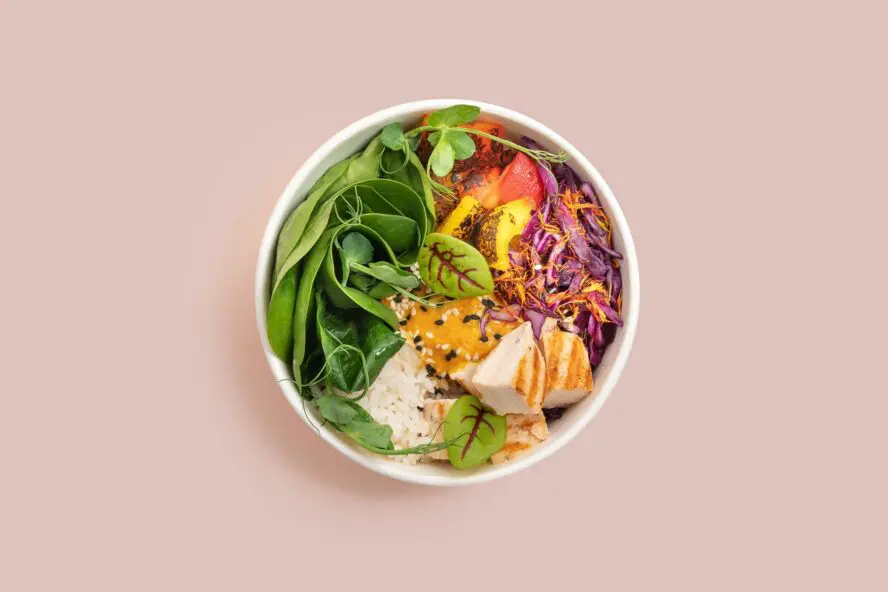
What you put into your body is a crucial piece of this puzzle. Mao advises seeking out “ a high-quality, whole-food diet.” This should hinge on minimally processed foods rich in protein, fiber, and healthy fats.
“Diets rich in whole foods, fiber, and polyphenols help support metabolic and cardiovascular health,” adds Kenny, who advocates for seeking out foods rich in spermidine, which helps support autophagy. This compound is found in mushrooms, wheat germ, and legumes.
“As levels of spermidine tend to decline with age, dietary intake may help support the body’s natural cellular renewal processes,” she says.
Get Out in the World
Just as important as feeding your body is feeding your brain, according to Dr. Mao, who recommends “staying socially and cognitively engaged.”
He also advocates for stress regulation, a recommendation echoed by Kenny. “The thyroid regulates metabolism and influences cardiovascular function, while the adrenal glands regulate stress responses,” says Kenny. “If these systems are dysregulated, they can amplify fatigue, metabolic dysfunction, and cardiovascular strain.”
For this reason, La Puma recommends mindfully integrating varied outdoor movement and forest bathing into your daily routines, citing a 2026 study of 111,000 subjects that found that people who engaged in outdoor activities had a 19% lower risk of premature mortality2.

“Exposure to neighborhood green space and forest bathing is associated with slower cellular aging and preserved telomere length,” he says. “Just 20 to 60 minutes in a forest setting can reduce cortisol by up to 16% and boost immune function. By moving outside deliberately and sufficiently, seeking green and blue spaces, and anchoring our circadian rhythms, we can directly counter the cellular ‘misfiring’ that midlife triggers.”
For those who are already interested in healthy living, none of these ideas should come as a surprise. Indeed, Dr. Mao says, the most important habits to embrace “are not exotic longevity hacks; they are disciplined basics practiced consistently.” And now is the perfect time to finally commit.
Sources:
- https://www.cell.com/cell/fulltext/S0092-8674(25)00749-4
- https://bmjmedicine.bmj.com/content/5/1/e001513

Add Organic Authority as a preferred source on Google?