
As summer approaches, few things beat a good, cool glass of white wine, and sauvignon blanc — dry, bright, acidic, and refreshingly crisp — more often than not hits the right spot. As the name suggests, the wine originates in 16th-century France — specifically, and most likely, the Loire Valley — but now that two other winemaking heavyweights, California’s Sonoma and Napa valleys and New Zealand’s Marlborough region, have emerged as contenders, the question is: Which sauvignon blanc is best, and how do they differ?
Across the Atlantic and Pacific, sauvignon blancs share some common characteristics: The wines are usually highly aromatic, herbal, and renowned for their pungency — so much so that some have even compared them, less flatteringly, to cat urine, a result of the chemical compound 4-MMP. But the different varieties often have distinct flavor notes, meaning that — depending on your taste — it’s worth exploring the different regional styles before settling on a specific bottle.
California sauvignon blanc is a premier, fruit-forward flagship wine
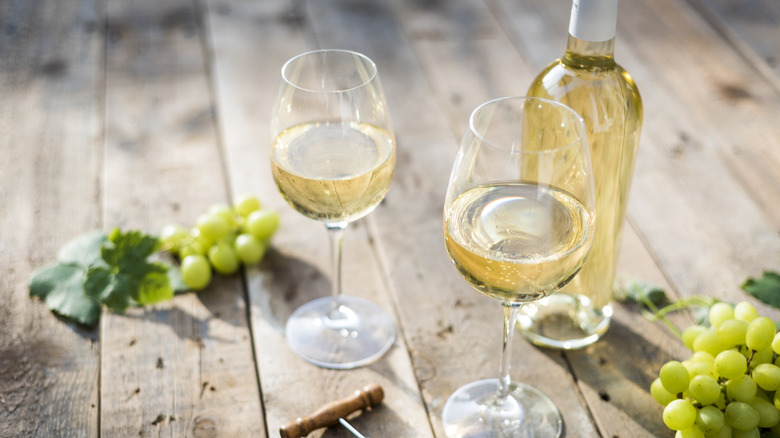
California, especially its northern region, has emerged as one of the world’s leading wine producers, and sauvignon blanc — often labeled fumé blanc in the Golden State — is one of its flagship wines. Today, around 17,970 acres of land are dedicated to its production, with the main growing areas being Sonoma, Napa, and San Joaquin. This diverse geography allows the state to produce both high-end, expensive estate bottles and accessible everyday blends.
Californian sauvignon blancs have gained a reputation for their exceptionally bright aromatics and somewhat smoother, fruitier profile than their French counterparts, with hints of lime, melon, and grapefruit. This softer, lower-acid profile makes them incredibly user-friendly on the dinner table. They make an excellent pairing with a versatile range of dishes, including shellfish, poultry, and salads, and are also an excellent option to cook with, largely due to their citrusy crispness.
France produces subtle, classic, and mineral-driven sauvignon blanc
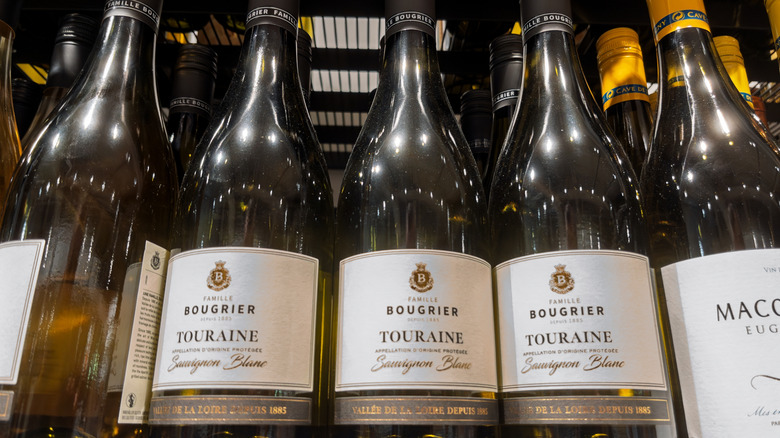
France is the true homeland of sauvignon blanc. Indeed, the name itself derives from the French words “sauvage,” meaning “wild,” and “blanc,” meaning “white.” The sauvignon blanc grape is also the likely parent of the mighty red cabernet sauvignon, along with cabernet Franc.
French sauvignon blancs are typically crisp, with citrusy and mineral notes, and are more subtle in flavor than Californian or Kiwi varieties. This restraint is largely driven by the cool climate and limestone-heavy soils of classic regions like Sancerre. Over in the western region of Bordeaux, they are often blended with sémillon, which gives them a rounder profile, often softening sauvignon blanc’s sharp edges with a touch of honeyed sweetness. A French sauvignon blanc pairs excellently with some of the country’s classic dishes, including fish, seafood, and a cheese or charcuterie board.
New Zealand’s bold, aromatic sauvignon blanc is a global disruptor
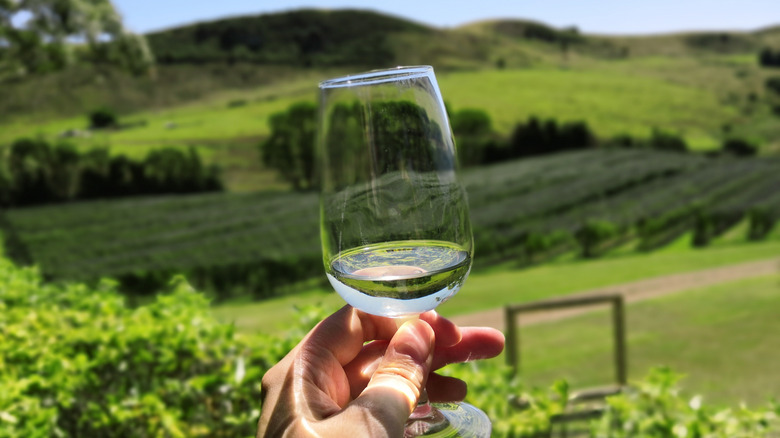
New Zealand sauvignon blanc is where things get particularly interesting. The Oceanian country was among the first to commercially produce screw-cap sauvignon blancs (also known as Stelvin closures), and the wine has since become one of its leading exports.
Largely produced in the spectacular Marlborough region, where the grape was first planted in 1975, Kiwi sauvignon blancs have a heady aroma reminiscent of tropical fruits, especially passion fruit. They are refreshing and incredibly crisp, bursting with an almost effervescent flavor that is strongly linked to the region’s terroir, or “sense of place,” although they can be less subtle on the palate than their French counterparts.
As a result of their sharp, distinctive profile, Kiwi sauvignon blancs make an excellent pairing with Asian dishes — think Thai curries or Vietnamese stews. The wine’s piercing acidity cuts right through rich coconut milk, while its herbal undertones mirror fresh local herbs like cilantro and mint.