
Look up at a cocktail bar’s bottles, and the options run wild. In addition to beer and wine, bars stock everything from vermouths to bitters, cordials, and infusions. Versing yourself in all of the options can feel complicated — confusion already settles in with just liquor and liqueur, for example. Distinguished by only a few letters, the two alcohol types are easy to both misspell and misconstrue. So, what’s the difference?
To put it simply, a liqueur is a type of liquor with added sugar and flavorings. Both consist of a distilled base — alcohol that is first fermented and then concentrated using a still. However, it’s sugar added after distillation that defines the liqueur subcategory. As opposed to the intense flavors of full-proof liquors, this means liqueurs are typically sweeter, often accompanied by tasting notes of fruit, herbs, spices, and even dairy.
The sweet modification distinguishes the alcohol in more than just taste. The added ingredients often reduce the strength of liqueurs, although not universally. The sugar means liqueurs can go bad in your liquor cabinet, while full-proof spirits last indefinitely (although they will lose aroma over time). Such a composition also means the alcohols serve different functions in bartending. Finally, liquor and liqueurs each come with their own traditions of production and consumption. So although both are broadly part of the liquor category, the two styles offer lots to unpack.
A liquor refers to a distilled alcohol
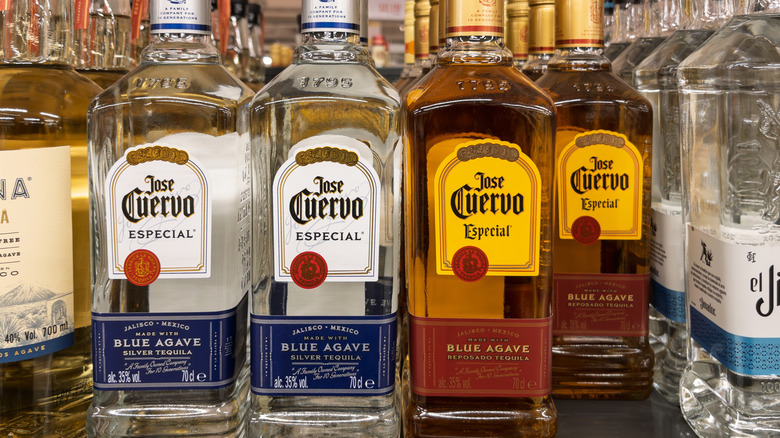
The term liquor comes up often in day-to-day use. It’s the name of specific stores, used to denote alcohol-focused policy, not to mention it appears abundantly in colloquial sayings (“liquor before beer” … anyone?). According to the Merriam-Webster definition, liquor is “a distilled beverage” — meaning that both spirits and liqueurs fall under the term. Still, precisely what fits into the category and what doesn’t can be confusing.
First, take note that popular distilled beverages, which are delineated by their fermentable base, fall into the liquor category. That means agave spirits, whiskey, vodka, rum, gin, and brandy are all liquor types. Such beverages are also called spirits, and don’t contain large quantities of ingredients added after distillation, although some rum and tequila makers may add small amounts of sugar and other additives to conceal defects. Add enough distinguishable sugar, though, and you’ll turn a spirit into a liqueur — hence why it’s considered a liquor subtype.
Liquors are enjoyed on their own and serve as the cornerstone of mixed drinks, laying the foundation for classic cocktails and inventive tipples. Whether with or without added sugar, such bottles occupy a wide range of strengths. In Europe, the legal minimum strength for a spirit without additions is 37.5% ABV, while in the U.S., a 40% ABV lower limit is widespread. The upper end isn’t fixed — the world’s strongest alcohol comes in at some 96% ABV. Once sugar is added, liqueurs can fall into much lower ABVs, too, evincing the expansive possibilities of the alcohol category.
Liqueurs are spirits with added sugar and flavors
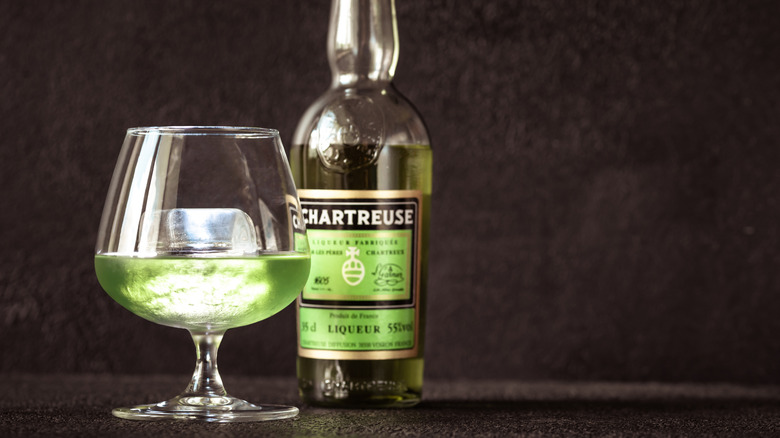
As opposed to the broad world of liquors, a liqueur refers to a narrower subset of alcohols. The drink also starts with a distilled base, but is mixed with sugar and other flavorings before bottling. Oftentimes, liqueurs fall on the sweet and fruity side — like popular orange, cherry, or herbal liqueurs — but sweetness doesn’t define the beverage. This alcohol type can be crafted with everything from coffee to nuts, spices, chile peppers, as well as intricate ingredient blends. The French liqueur Chartreuse famously contains more than 100 components.
By way of the additions, liqueurs often come in lower in alcohol than typical liquors. Widely used Aperol, for example, contains 11% ABV (a far cry from a spirit’s typical 40% ABV). Note, however, that this booze style can push into highly alcoholic realms, too. For example, Centerba Toro — an alpine herbal Italian liqueur — packs a strength of 70% ABV.
Like full-proof spirits, liqueurs can also be consumed on their own, often sipped chilled following a meal. In cocktails, however, the alcohol usually plays a supplementary role, as opposed to a central one, adding sweetness and complexity to drink builds.
Nevertheless, as liqueurs fall under the greater liquor umbrella, you can expect some similar functions. Bottles like Malibu (a coconut-flavored rum) and Fireball (a cinnamon whisky) are two types of alcohol often perceived as spirits, although they are, by definition, liqueurs. Not to mention, ordering stiff shots of Jägermeister or Rumple Minze — which bartenders see as a red flag — still qualifies as ordering a liqueur. When booze is involved, precise categorization turns tricky, meaning it’s best to assess bottles one by one.