
This post may contain affiliate links. As an Amazon Associate, I earn from qualifying purchases. Please read my disclosure.
My maple miso dressing takes less effort to make than it does to open a bottle of store-bought dressing, and it tastes a lot better. It’s sweet, tangy, and savory all in one, and it works well as a thicker sauce or a thinner dressing. One batch keeps in the fridge for weeks, so once you make it, you’re set for a while!
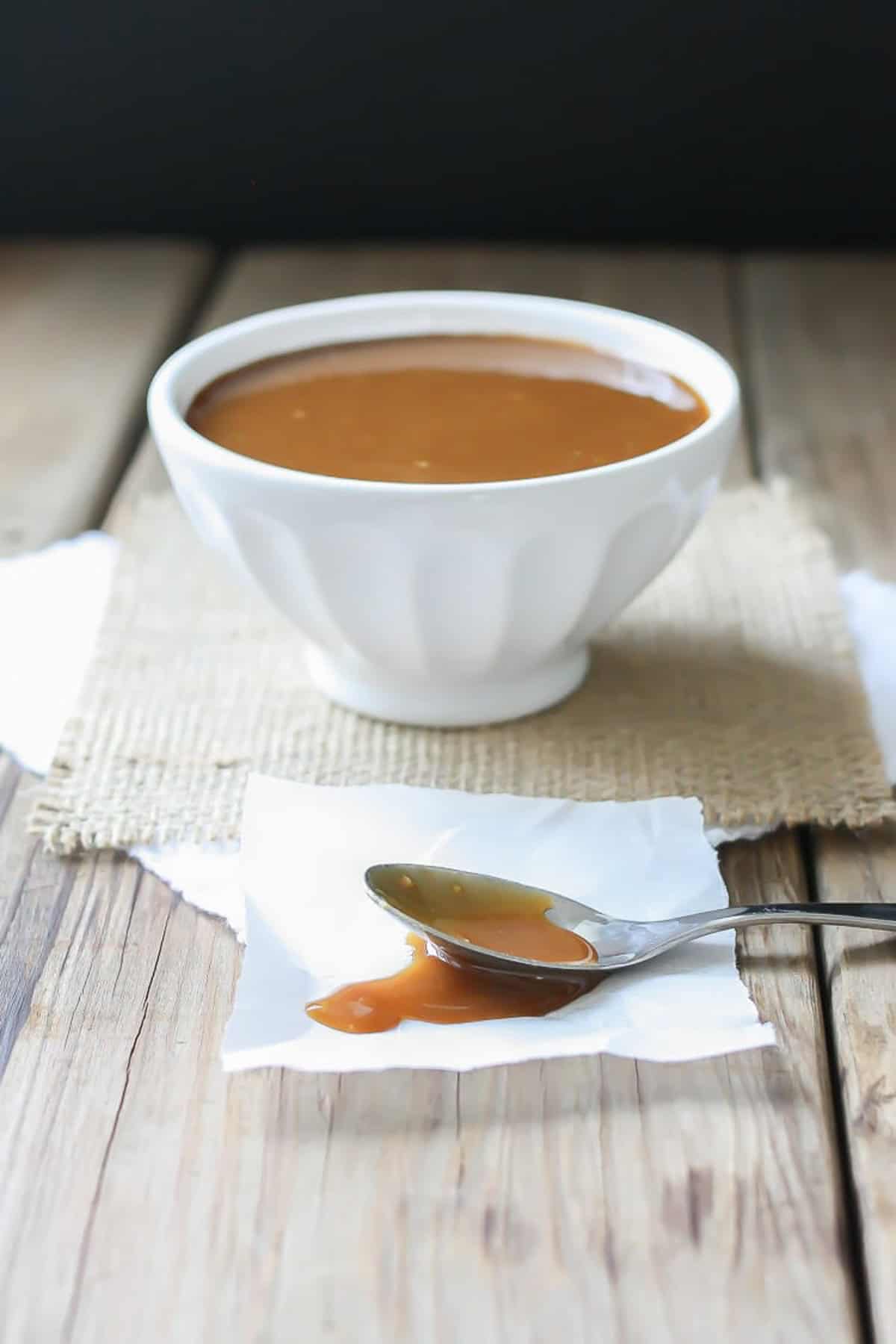
I have a container of chickpea miso in my fridge that takes me forever to use up. I love it, but it’s just not an ingredient that comes up as often as I would like. So one night, instead of letting it sit in the door of my fridge for another month, I stirred a few spoonfuls into some maple syrup and balsamic vinegar. That’s really how this whole recipe happened!
It’s just three ingredients, whisked together in one bowl, ready in under 5 minutes, and is totally no-cook. I first tried it as a drizzle for my spicy black bean burgers when I was trying to experiment with different ways to use miso. And it worked so well that I started keeping a batch in the fridge on purpose instead of by accident!
Now it’s one of those things I reach for without thinking much about it. I spoon it over roasted vegetables, stir it into grain bowls, or add it to salads. My kids have started asking for it on their veggies too, which is such a win! Some nights I keep it thicker as a sauce, and other times I’ll thin it out with a little water and use it as a maple miso dressing instead, so one jar really does double duty.
This sauce is sweet, salty, and tangy all at once, and it does that without a long ingredient list backing it up. The maple syrup and balsamic vinegar are both a little thick on their own, so once they’re whisked into the miso, the whole thing sets up firmer the longer it sits in the jar. That’s honestly one of my favorite things about it. It’s a different texture on day one versus day three, and both versions are good.
Chickpea miso paste can be lumpier in some brands than others, which I only figured out after my first few batches came out grainy. Now I go straight to my food processor to get it super smooth instead of trying to whisk it by hand (although that method will work too, it’ll just take more time!)
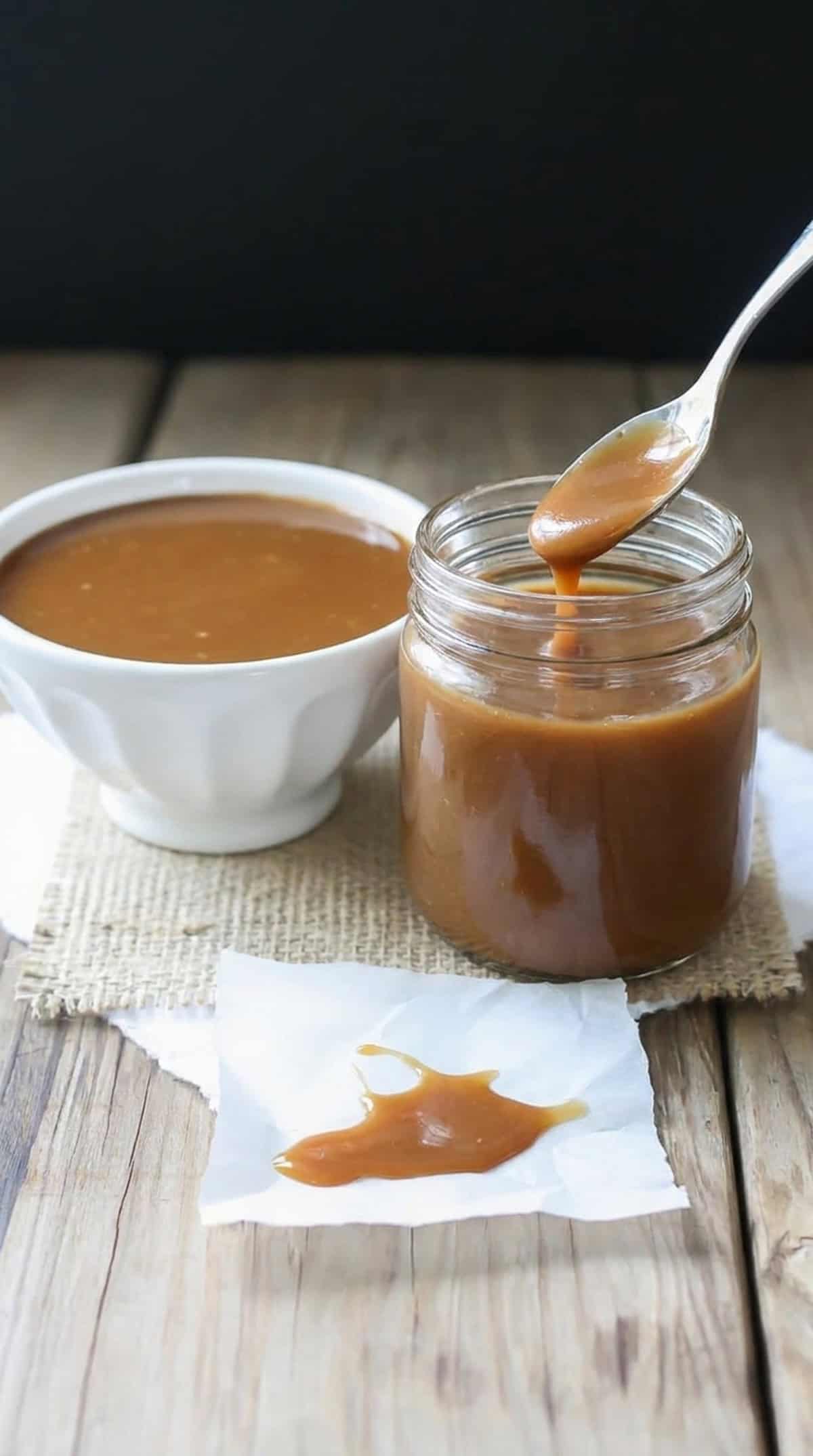
I also like that I’m not locked into one texture. Straight from the jar, it’s thick enough to cling to a spoon. Add a splash of water, and it turns into something I would actually pour over a salad. Let it sit in the fridge a day, and it’s closer to a spread I would use on a sandwich. It’s so versatile and easy to make, and I hope you love it as much as I do!
🥘 Ingredients
Here’s what goes into my miso balsamic dressing, and what each ingredient does for the flavor:
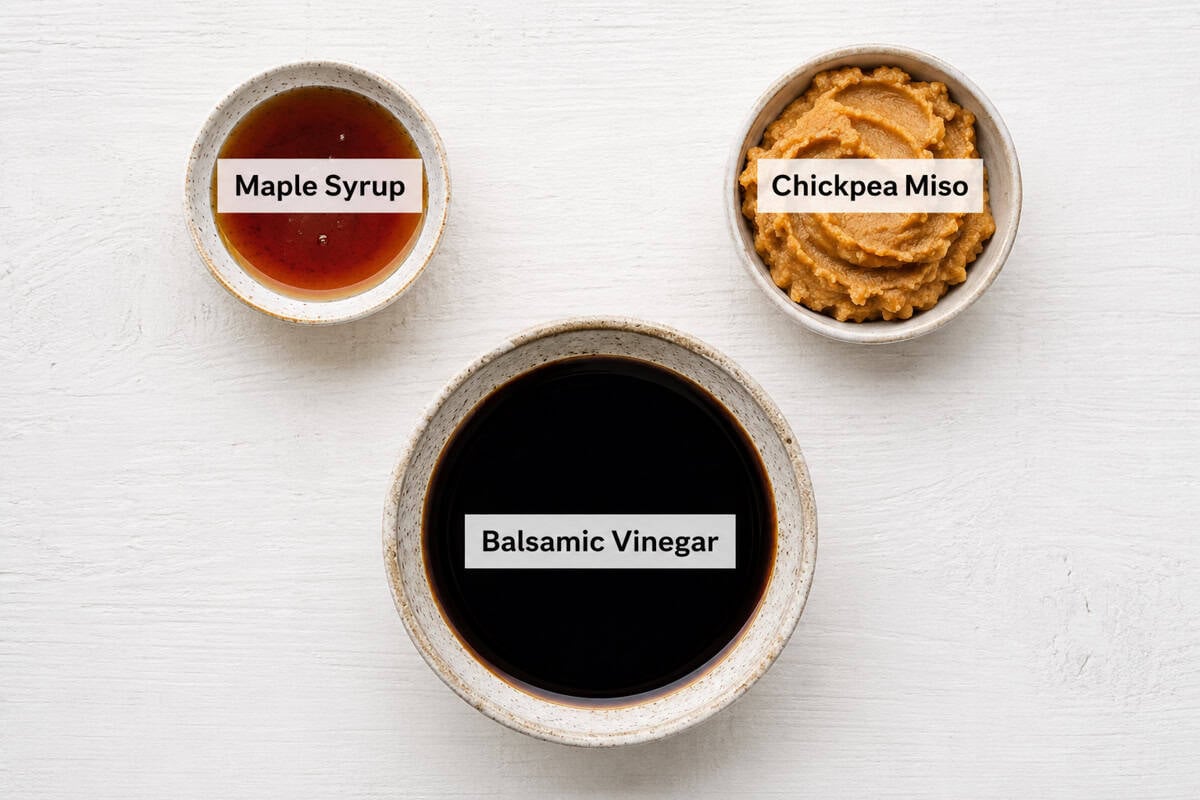
Maple syrup: I use pure maple syrup for natural sweetness that balances out the tang from the vinegar and the saltiness from the miso.
Chickpea miso: I use chickpea miso because it has a mellow, slightly sweet flavor compared to soybean miso, which keeps the sauce from tasting too salty or fermented. Substitute: I can use a different variety of miso paste (¼ cup) as a 1:1 replacement, though the flavor will taste stronger and more fermented than the chickpea version.
Balsamic vinegar: This cuts through the sweetness of the maple syrup and balances the deep umami flavor from the miso.
🔪 How To Make
This truly is a no-cook recipe! All I need is my food processor, or a whisk. Here’s how I make it:
Combine: I place the maple syrup, chickpea miso, and balsamic vinegar into a food processor. I blend until it’s combined. That’s it!
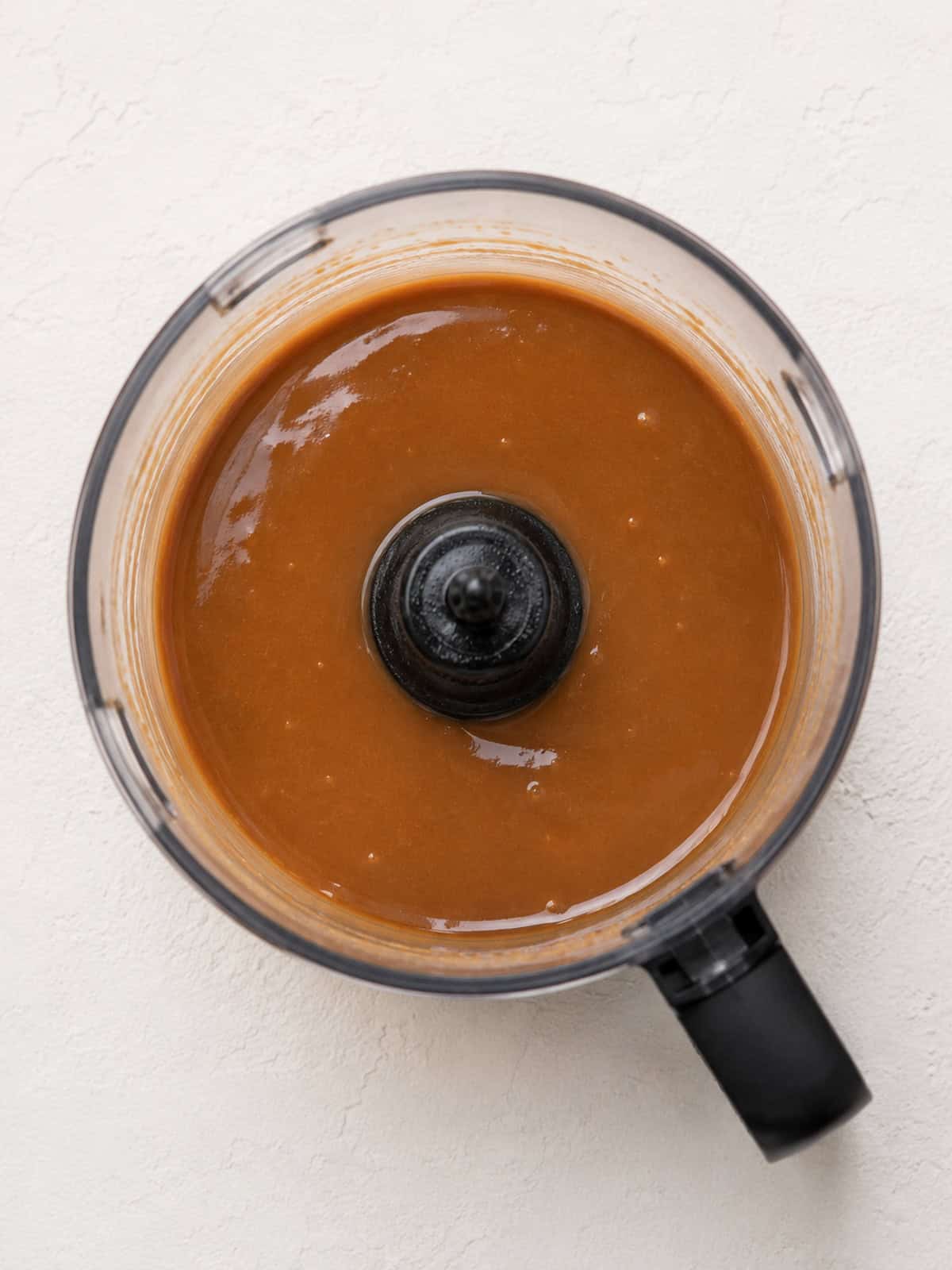
My #1 Secret Tip for this recipe is to just use a food processor. Saves time, and makes a perfect texture every time. If you have to use a whisk, I recommend whisking the miso on its own with a small splash of the balsamic vinegar first before adding the rest of the ingredients. This breaks up any clumps right away and also will help create a smooth sauce.
Other Tips To Keep In Mind:
- Room temperature miso: I let the miso sit out for a few minutes before mixing if it has been in the fridge, since cold miso is harder to make smooth.
- Taste before serving: I always taste the sauce once it’s mixed, since balsamic vinegar brands vary in tartness, and I adjust with a little extra maple syrup if mine is on the sharper side.
- Use good balsamic: A higher quality balsamic vinegar makes a real difference here since it’s such a big part of the flavor.
- Store it right away: I transfer the sauce to a jar as soon as I make it so it’s ready to grab whenever I need it.
📖 Variations
I love experimenting with different versions of this dressing. Here are some of my favorite ways to change it up:
Add garlic: Grated garlic makes this taste sharper and more pungent. I whisk in ½ teaspoon and use it on roasted Brussels sprouts.
Make it spicy: I stir in ¼ teaspoon of red pepper flakes or a small drizzle of chili oil when I want some heat alongside the sweetness.
🍽 Serving Suggestions
I started drizzling this dressing over veggie burgers and it still works well there, but I use it just as often over a batch of roasted broccoli and potatoes or spooned into a macro bowl with grains and greens.
For a simple plant based dinner, I toss it with air fryer tempeh right before serving, or spoon it over a batch of miso mushrooms when I want that same fermented, umami flavor in every part of the meal.
I also love it over salads, it tastes great on my kale salad in place of the lemon dressing, or on a Greek salad instead of the usual vinaigrette.
🧊 Storage Directions
Refrigeration: I store this sauce in an airtight jar in the fridge for up to 2 weeks.
Freezing: I don’t recommend freezing this sauce, since the texture of the miso can separate once thawed.
Reheating: I let the sauce sit out for as long as 1 hour before serving if it has thickened in the fridge, since this makes it easier to drizzle. I have also just thinned it out with a little water or olive oil to get it to that dressing consistency!
❓Recipe FAQs
No, but you can if you want to! I typically serve it cold straight from the jar or just very slightly warmed. The benefit of warming it slightly, or at least least letting it come to room temperature is that the sauce loosens up a bit.
If the sauce is too thick, I stir in a small splash of water, one teaspoon at a time, until it loosens up. If it’s too thin, I let it sit in the fridge for an hour, since it naturally thickens as it chills.
Yes, I use it to marinate tofu or tempeh for up to 30 minutes before cooking. I don’t recommend marinating longer than that, since the balsamic vinegar can start to break down the texture.

Love this plant based recipe? Please leave a 5-star rating 🌟 in the recipe below and/or a review in the comment section further down the page!
You can also FOLLOW ME on FACEBOOK, INSTAGRAM, and PINTEREST to see more delicious, healthy, family-friendly food, and if you have any questions, I’m here to help!
📋 Recipe Card
Maple Miso Dressing
My maple miso dressing takes less effort to make than it does to open a bottle of store-bought dressing, and it tastes a lot better. It’s sweet, tangy, and savory all in one, and it works well as a thicker sauce or a thinner dressing. One batch keeps in the fridge for weeks, so once you make it, you’re set for a while!
Servings: 30
Calories: 16kcal
- Room temperature miso: I let the miso sit out for a few minutes before mixing if it has been in the fridge, since cold miso is harder to make smooth.
- Types of miso: You can use a different type of miso but I can’t account for the taste if you don’t use chickpea.
- Taste before serving: I always taste the sauce once it’s mixed, since balsamic vinegar brands vary in tartness, and I adjust with a little extra maple syrup if mine is on the sharper side.
- Use good balsamic: A higher quality balsamic vinegar makes a real difference here since it’s such a big part of the flavor.
- Store it right away: I transfer the sauce to a jar as soon as I make it so it’s ready to grab whenever I need it.
Calories: 16kcal | Carbohydrates: 3g | Protein: 0.3g | Fat: 0.1g | Saturated Fat: 0.02g | Polyunsaturated Fat: 0.1g | Monounsaturated Fat: 0.03g | Sodium: 87mg | Potassium: 16mg | Fiber: 0.1g | Sugar: 2g