
This post may contain affiliate links. As an Amazon Associate, I earn from qualifying purchases. Please read my disclosure.
When my daughter was a toddler, she’d ask for snacks approximately 47 times per day. I’m only slightly exaggerating. Between meals, after meals, sometimes during meals, she was always hungry!
So in my search to figure out snacks for her, I quickly learned that toddler snacks aren’t just about filling the gap between meals. They’re an opportunity to sneak in extra nutrients, introduce new foods, and keep blood sugar steady so you don’t end up with a hangry toddler meltdown at Target (been there, survived that).
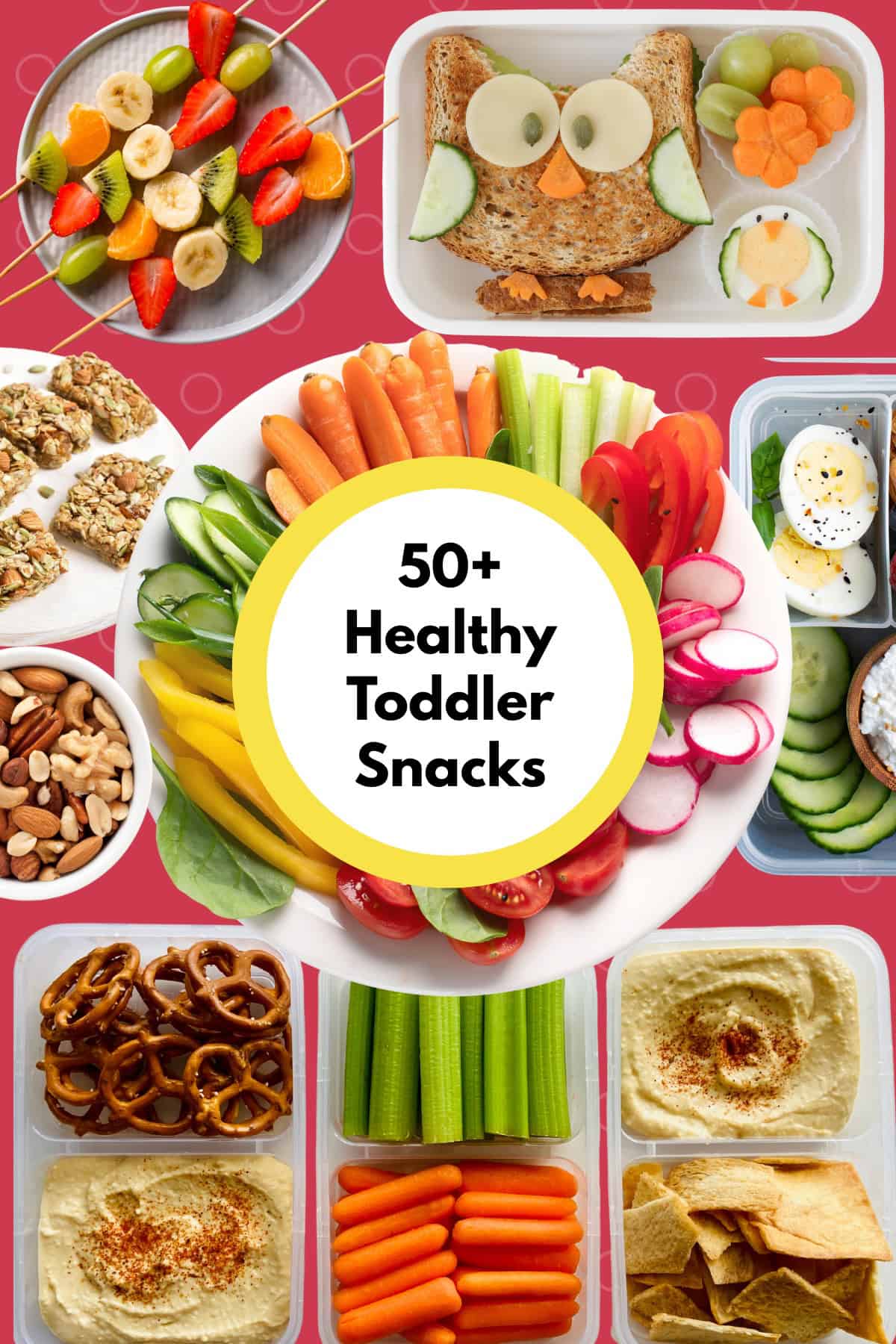
This guide includes 50+ healthy snack ideas for toddlers and kids, including fresh options, store-bought picks, and snack combinations that work for picky eaters. I’ve tested all of these on my own kids, so I can confirm that they are super kid-friendly! Whether you’re packing snacks for daycare, need after-school ideas, or just want to survive another day of toddler snacking, you’ll find options here.
Why Snacks Matter For Toddlers
While I typically like to emphasize meals more than snacks (and focus on just mini meals or giving more food at each meal to keep my kids full), when my kids were toddlers I had to accept the fact that toddlers have tiny stomachs but high energy needs.
Sometimes, they can’t eat enough at meals to fuel their rapidly growing bodies all day long, so snacks bridge the gap and provide essential nutrients they might miss at mealtime.
Benefits of healthy snacking:
- Provides sustained energy between meals
- Introduces new foods in a low-pressure setting
- Sneaks in extra fruits, vegetables, and protein
- Prevents blood sugar crashes (and the meltdowns that follow)
- Helps establish healthy eating habits
The key is offering balanced snacks, not just empty calories from processed foods.
How To Build A Balanced Toddler Snack
The best toddler snacks include at least two of these components:
- Protein: Keeps them full longer (yogurt, cheese, nut butter, hummus, beans, eggs)
- Healthy carbs: Provides quick energy (whole grain crackers, fruit, oats, bread)
- Fruits or vegetables: Adds vitamins, minerals, and fiber
- Healthy fats: Supports brain development (avocado, nut butter, cheese, olive oil)
I learned this the hard way when I’d give my daughter just crackers for snack time. She’d be starving again 30 minutes later and I’d be back at square one. Now I pair crackers with cheese or nut butter, and she stays satisfied much longer.
Tips For Packing Snacks
Invest in good containers: I use stainless steel containers or reusable silicone bags, they’re durable, easy to clean, and eco-friendly. Skip disposable plastic bags when you can.
Keep it colorful: Kids eat with their eyes first. And when I’m focusing on adding in color, I typically end up using more fruits and veggies!
Add crunch: Toddlers love crunchy foods. Think carrot sticks, crackers, apple slices, or roasted chickpeas. I found that crunchy foods also travel much better and don’t get mushy or soggy over time (which is huge when you’re taking snacks on the go!)
Include a preferred food: If you have a picky eater, I recommend always including a smaller portion of one food you know they’ll eat, then add equal portions of new foods. That way they won’t fill up on just their favorite, but they also won’t have a snack box full of unfamiliar foods.
Don’t give too many options: Three different snacks in a box is plenty. Too many choices overwhelms toddlers.
Fresh Fruit Snacks
Fruit is one of my favorite snack options because it’s naturally sweet and easy to prep, so toddlers tend to like it and it’s quick to get ready for parents too! I recommend sticking with lower glycemic options when possible to keep blood sugar steady.
Best low-glycemic fruits for snacks:
- Apples or pears (sliced thin or cubed)
- All berries: blueberries, strawberries, raspberries, blackberries (cut for younger toddlers)
- Clementines or oranges (segmented)
- Stone fruits: peaches, nectarines, plums, cherries (pitted and sliced)
- Melon: cantaloupe, honeydew, watermelon (cubed)
- Avocado (sliced, cubed, or mashed on toast)
Higher glycemic fruits (use occasionally):
- Bananas (great for on-the-go, but limit to 1 per day)
- Mango
- Pineapple
- Grapes (cut in half lengthwise to prevent choking)
Pro tip: Pair fruit with plain Greek yogurt or nut butter to make it more filling and slow sugar absorption.
What to avoid: Skip dried fruit as a regular snack, it’s too high in concentrated sugar. Freeze-dried fruit is okay in a pinch, but I recommend sticking to fresh if you can.
Fresh Veggie Snacks
Getting toddlers to eat vegetables is easier when you give them something to dip the veggies in. My son won’t touch a plain carrot stick, but give him carrots with hummus and he’ll eat the whole container.
Figuring out how your kids best like eating veggies is important too: do they like them best raw, steamed and seasoned, sauteed with spices, roasted? The more you can prepare veggies the way your kids like them, the more likely they are to eat them!
Best raw veggies for toddlers:
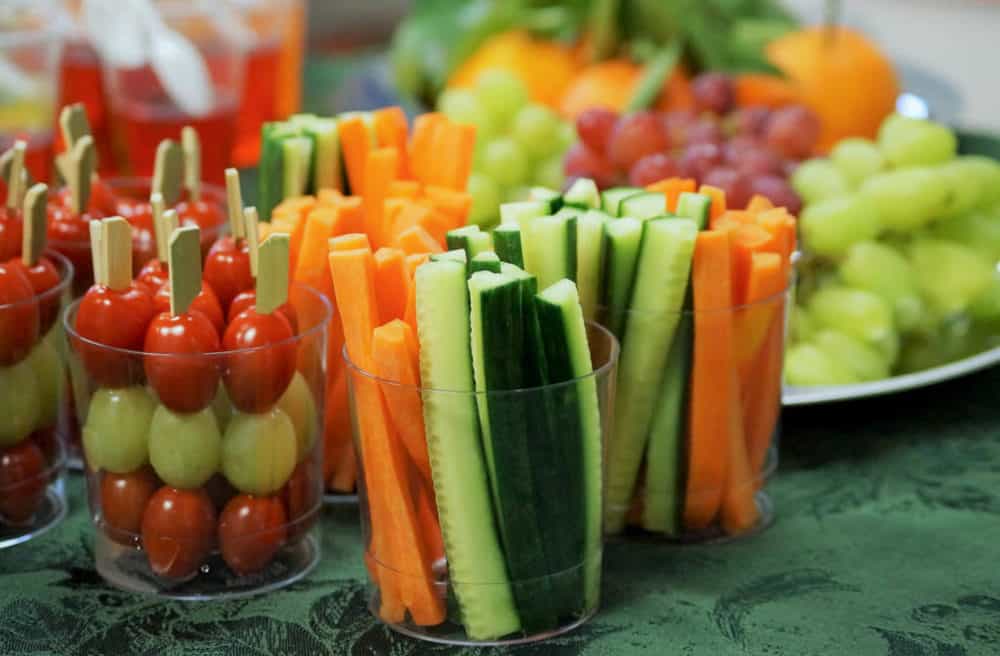
- Celery sticks
- Carrot sticks
- Cucumber sticks or slices
- Snap peas
- Cherry tomatoes (cut in half)
- Bell pepper strips
Best cooked veggies for snacks:
- Steamed broccoli
- Roasted cauliflower
- Steamed or roasted carrots
- Roasted zucchini
- Corn (cut off the cob)
- Roasted sweet potato
Healthy dips that work:
- Hummus
- Plain Greek yogurt
- Tahini
- Nut butter
- Guacamole
- Pesto
- Olive oil with salt and pepper
What to avoid: Skip processed ranch dressing and other bottled dressings loaded with added sugar and preservatives.
Protein-Packed Snack Ideas
Protein is the most filling macronutrient, making it perfect for snacks. I try to incorporate protein into every snack I give my kids, it keeps them satisfied longer and supports growth and development.
Here are some of my favorite protein rich snacks:
- Hummus with veggies, crackers, or pita
- Roasted chickpeas
- Any chopped nuts (age 2+): peanuts, walnuts, cashews, almonds, pecans
- Beans as finger foods: edamame, black beans, white beans
- Cubed tofu (roasted or raw)
- Nut butter or sunflower seed butter (on bread, crackers, or as a dip for fruit)
- Hard-boiled or scrambled eggs
- Cubed chicken or turkey (avoid deli meats due to nitrites)
Note on nuts: Make sure there are no added ingredients beyond salt and oil. Avoid candied nuts or anything with added sugar.
Dairy Snacks
Most kids love dairy which is great because dairy provides protein, calcium, and healthy fats all in one serving! I recommend choosing organic when possible. Here are some of my go-to dairy-based snacks:
- Plain yogurt (whole milk or low-fat, Greek or regular) mixed with fresh fruit
- Cheese: sliced, cubed, or string cheese paired with crackers, fruit, and/or raw veggies
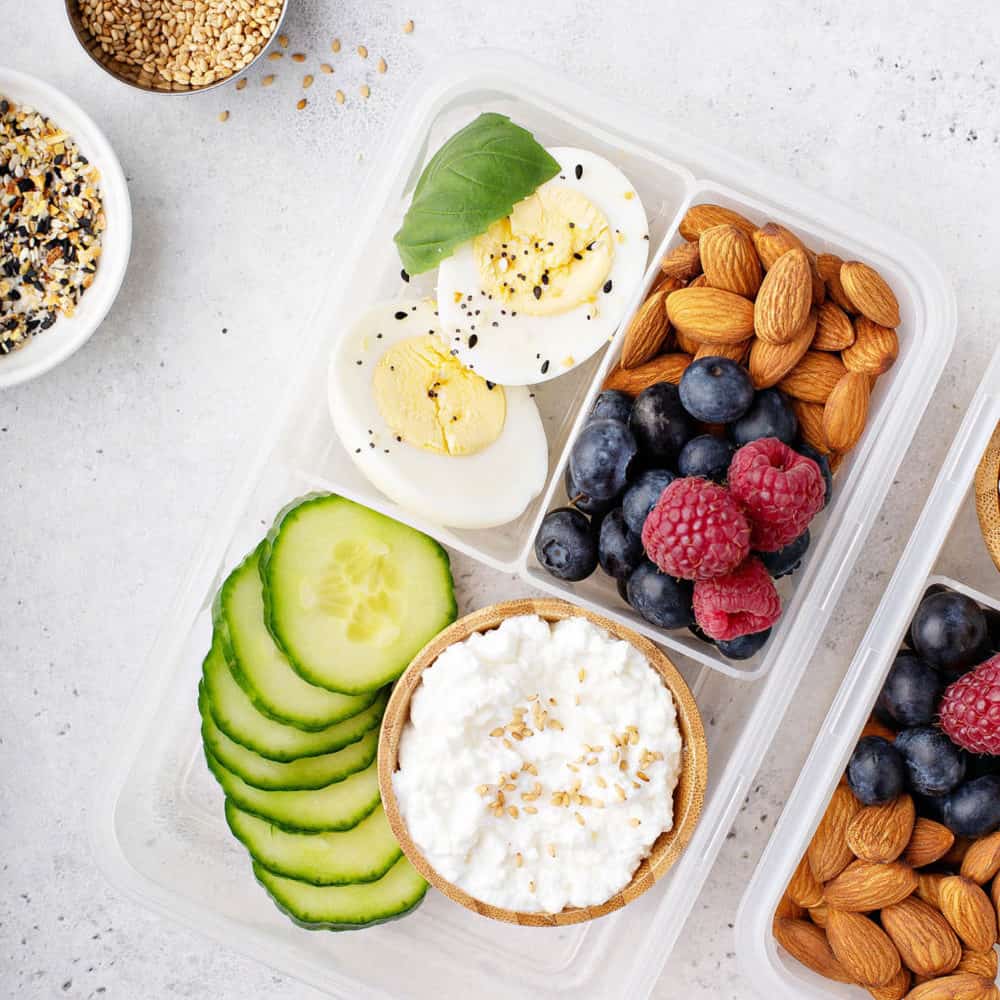
- Cottage cheese (plain or with berries and granola)
- Cream cheese on whole grain crackers, whole wheat bagels, or as a veggie dip
- Smoothies made with milk or plain Greek yogurt – I will often transfer these to a water bottle to make them transportable!
My daughter will go through phases where she’ll only eat yogurt parfaits for snack. But that’s fine with me! I mix plain Greek yogurt with berries and a sprinkle of homemade granola or a healthy cereal, and she thinks it’s a special treat.
Whole Grain Snacks
I don’t typically give grain-based snacks to my kids on their own, and instead always pair them with a protein. But here are some of my go-to whole grain options that you can mix and match with a protein of your choice!
- Whole grain toast or bread
- Whole grain crackers: Back To Nature, Mary’s Gone Crackers, or other organic brands
- Whole grain pretzels
- Whole grain cereal (low sugar –
- Rice cakes
- Homemade or low-sugar muffins made with whole wheat flour
- Oatmeal (plain or with fruit)
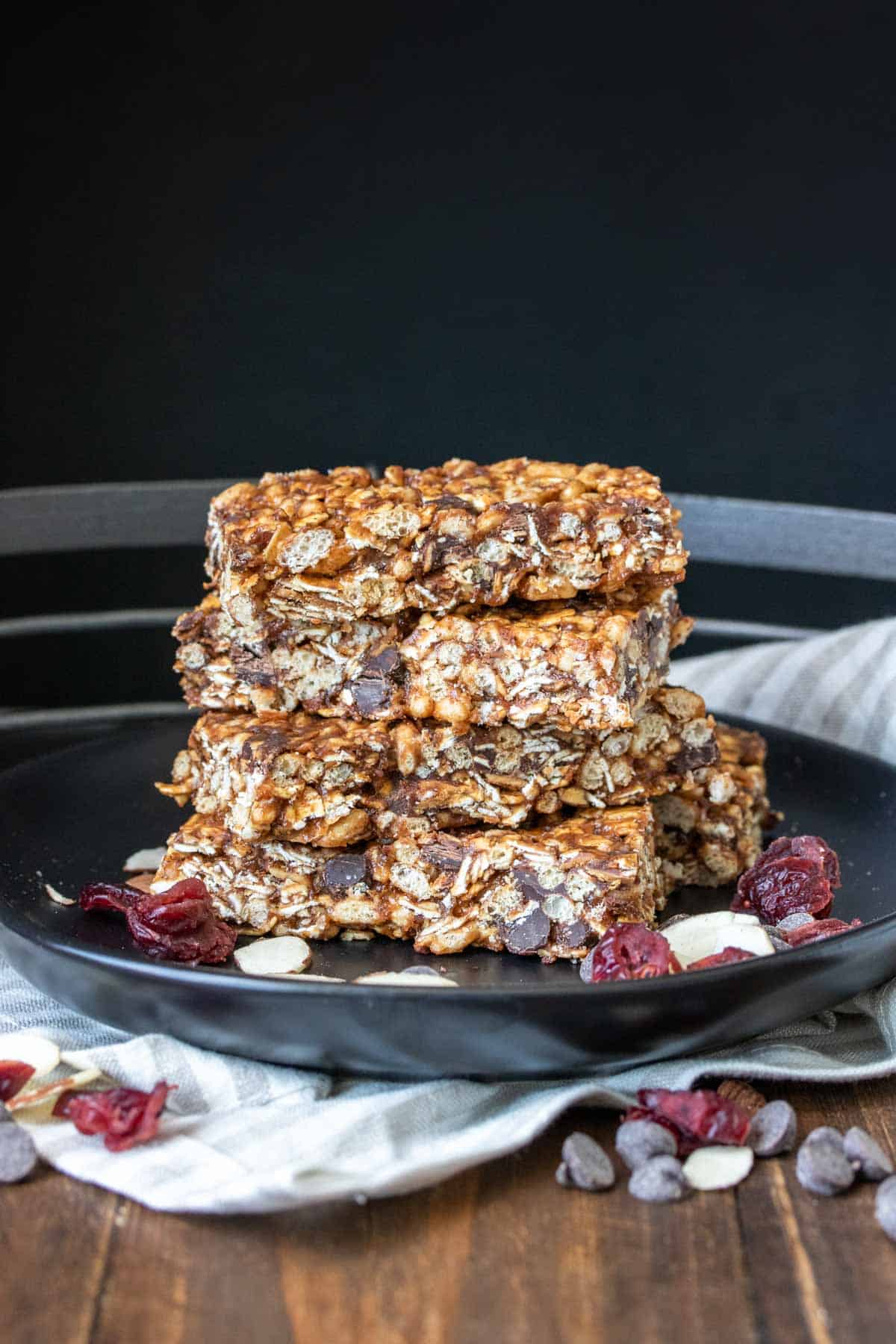
- Homemade granola bars
- Popcorn (age 4+)
Best Store-Bought Snacks For Toddlers
Store bought snacks aren’t necessarily a bad thing and not every snack needs to be homemade! Here are healthy packaged options that work well for busy parents:
Some of my favorite healthy packaged snacks are:
What to look for on labels:
- Short ingredient list
- Whole grains listed first
- At least 2-3g fiber
- At least 3-5g protein
- Less than 5g added sugar
- No artificial colors, flavors, or preservatives
Homemade Snack Ideas
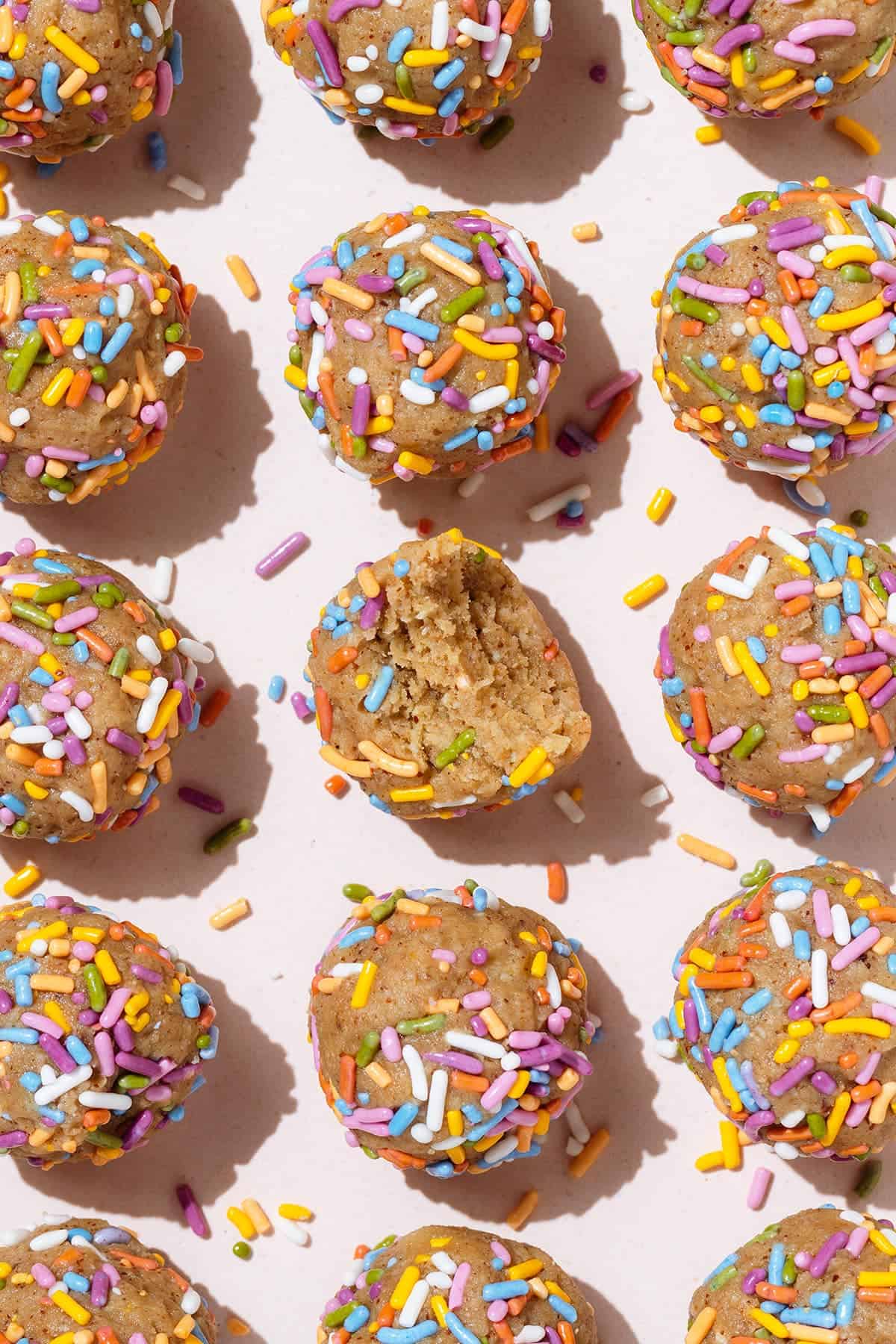
These homemade snacks double as filling treats and can work as dessert or afternoon pick-me-ups:
Best Snack Combinations
I love to mix and match components from different categories to create balanced snacks! These are my go-to combinations that I guarantee your toddler will actually eat:
- Plain yogurt + berries + crushed nuts or granola
- Cheese + whole grain crackers + apple slices
- Hummus + carrot sticks / celery sticks / cucumbers + whole grain pita
- Nut butter on whole wheat toast + banana slices
- Hard-boiled egg + cucumber sticks or carrot sticks
- Cottage cheese + fresh fruit
- Rice cake + nut butter + sliced fruit
- Mini whole wheat English muffin pizza (tomato sauce + mozzarella)
- Avocado toast + cherry tomatoes
- String cheese + grapes (cut in half) + whole grain crackers
The key is combining protein + healthy carbs + fruit or veggie. This keeps toddlers full longer than a single-ingredient snack would. You might not be able to do a fruit / veggie for every snack, but I recommend doing it for at least once snack during the day.
How Many Snacks Should Toddlers Eat?
Most toddlers do well with 2 snacks per day, spaced about 2-3 hours after meals. Some days your toddler might need fewer snacks, and that’s fine too. My main tip is – if it’s close to a meal time and your child asks for a snack, just give them a meal. But if you’re 2+ hours away from a meal then a balanced snack is totally appropriate. Follow their hunger cues.
Sample snack schedule:
- 8:00am – Breakfast
- 10:00-10:30am – Morning snack
- 12:30pm – Lunch
- 3:00pm – Afternoon snack
- 5:30-6:00pm – Dinner
- 7:30pm – Optional bedtime snack (if needed)
With my kids, I don’t force snacks if they’re not hungry. Some days both of my kids skip their afternoon snack entirely, and that’s okay.
Avoid the grazing trap: If your toddler is constantly snacking all day, they won’t be hungry for meals. Stick to a routine so they know when to expect food.
Choking Hazards To Avoid
Always supervise toddlers while eating. Common choking hazards include:
❌ Whole grapes (cut lengthwise into quarters)
❌ Cherry tomatoes (cut in half or quarters)
❌ Hot dogs and sausages (cut lengthwise, then into small pieces)
❌ Hard raw vegetables like carrots and apples (steam or cook until soft, or slice very thin)
❌ Whole nuts (chop finely for toddlers under 4)
❌ Popcorn (wait until age 4+)
❌ Sticky nut butter by the spoonful (spread thinly on bread or crackers)
❌ Marshmallows and hard candies
FAQs
Yes! Snacking is healthy as long as the snacks are balanced and nutritious. Toddlers have small stomachs and can’t eat enough at meals to sustain them all day, so snacks help fill nutritional gaps.
Wait about 2-3 hours after a meal before offering a snack. This prevents grazing and ensures your toddler is actually hungry for their next meal.
Start there! Always include one preferred food, then add small portions of other foods. So if my child only wanted cheese + crackers, I’d give them that in a smaller portion and I’d add something like cucumber slices on the side. Don’t force new foods, just keep offering them alongside favorites. It can take 100+ exposures before a toddler accepts a new food.
In general, I’d say no. Juice is really just a source of sugar and isn’t a balanced snack. The AAP recommends limiting juice to 4 ounces per day for toddlers 1-3 years old. Water and milk are better choices. If you do offer juice, make sure it’s 100% fruit juice with no added sugar.
If your child has eaten a full meal for dinner and is still hungry, then yes, a small, protein-rich bedtime snack can help toddlers sleep better. Try yogurt, cheese and crackers, or a small glass of milk. Avoid sugary snacks that could cause a blood sugar spike.
Final Thoughts
Snack time doesn’t have to be stressful! With a little planning and a well-stocked pantry, you can offer healthy, balanced snacks that keep your toddler satisfied and nourished between meals.
The key is variety, balance, and not stressing when your toddler refuses everything except string cheese for three days straight (totally normal, by the way). Keep offering new foods alongside their favorites, and eventually, most toddlers expand their palates.
I hope this guide helped you find the best snacks for your kids and your family!