
Fatty liver disease is no longer rare. As a nutritionist, I receive daily queries from people diagnosed with fatty liver during routine health check-ups.
Most of them ask the same question: “Can fatty liver be reversed with diet?”
The answer is yes, in most early and moderate cases.
Diet and lifestyle changes play the biggest role in managing and even reversing fatty liver disease
. With the right food choices, weight control, and consistency, liver fat can reduce significantly within months.
In this blog, I will explain:
- What fatty liver disease is
- Why diet matters the most
- Foods to eat and avoid
- A simple 7-day fatty liver diet plan
- Practical tips I give my patients every day
What Is Fatty Liver Disease?
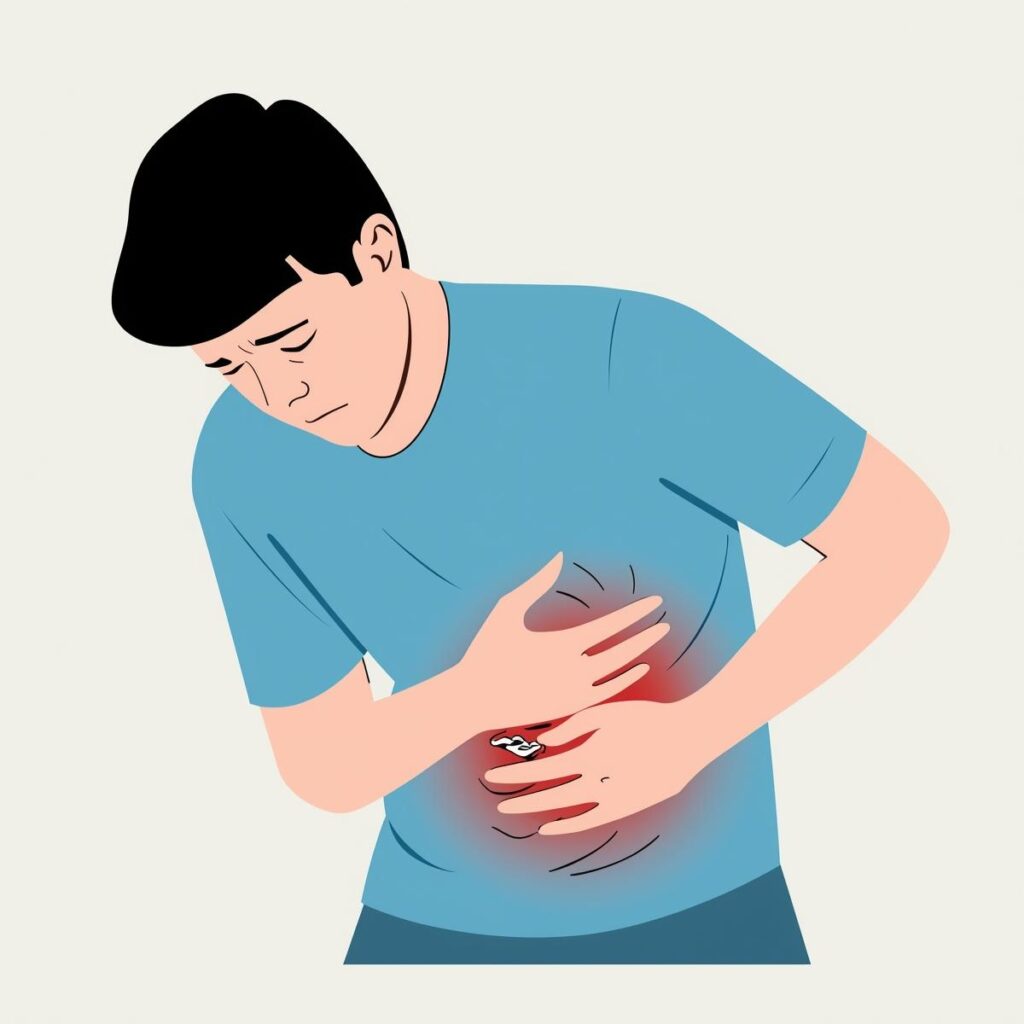
Fatty liver disease happens when excess fat builds up inside liver cells.
This affects how the liver works and can slowly lead to inflammation, scarring, or serious damage if ignored.
There are two main types:
Non-Alcoholic Fatty Liver Disease (NAFLD)
This occurs in people who drink little or no alcohol. It is commonly linked to:
- Obesity
- Insulin resistance
- Diabetes
- Poor diet
- Sedentary lifestyle
NAFLD affects around 25–30% of adults worldwide, and India is seeing a rapid rise due to lifestyle changes.
There are two stages:
- Simple fatty liver – fat is present, but no inflammation
- NASH (Non-alcoholic steatohepatitis) – fat + inflammation + liver cell damage
Alcoholic Fatty Liver Disease
This develops due to excessive alcohol intake and can progress to cirrhosis if drinking continues.
Most people with fatty liver have no symptoms. Some may feel:
- Tiredness
- Heaviness or discomfort on the right side of the abdomen
Why Is Diet the Most Important Treatment?
There is no specific medicine that cures fatty liver. Diet and lifestyle are the first and most effective treatments.
A good fatty liver diet helps:
The ideal diet focuses on:
- High fiber
- Lean protein
- Healthy fats
- Low sugar and low refined carbs
Fat should make up no more than 30% of daily calories, mainly from healthy sources.
Foods You Should Eat for Fatty Liver
Whole Grains

- Brown rice
- Oats
- Whole wheat roti
- Quinoa
They are rich in fiber and help reduce insulin resistance.
Fatty Fish (2–3 times/week)

They contain omega-3 fatty acids that reduce liver inflammation.
Vegetables and Fruits

- Leafy greens (spinach, kale)
- Broccoli, cauliflower
- Apples, berries, citrus fruits
Plant Proteins

Nuts and Seeds (in moderation)

- Walnuts
- Chia seeds
- Flaxseeds
Coffee

Research shows that coffee may reduce liver fibrosis in patients with NAFLD.
Foods You Must Avoid for Liver Healing
- Fried foods
- Sugary foods and desserts
- White bread, white rice, refined flour
- Packaged and processed foods
- Sugary drinks and fruit juices
- Alcohol (strictly avoid if diagnosed)
These foods increase inflammation and liver fat.
7-Day Fatty Liver Diet Plan
Day 1
Breakfast: Veg omelet + whole grain toast
Lunch: Grilled chicken, brown rice, broccoli
Dinner: Baked salmon, sweet potato, asparagus
Snacks: Carrots with hummus, Greek yogurt with berries
Day 2
Breakfast: Overnight oats with chia seeds
Lunch: Chicken salad with whole-grain crackers
Dinner: Grilled pork chop, zucchini, sweet potato
Snacks: Apple with nut butter
Day 3
Breakfast: Whole grain wrap with scrambled eggs
Lunch: Chicken noodle soup + side salad
Dinner: Baked sweet potato with shredded chicken
Snacks: Orange slices and mixed nuts
Day 4
Breakfast: Toast with nut butter + cottage cheese
Lunch: Turkey burger (lettuce wrap)
Dinner: Baked tofu, broccoli, wild rice
Snacks: Carrots with guacamole
Day 5
Breakfast: Oats with cinnamon and Greek yogurt
Lunch: Whole grain pita with chicken and veggies
Dinner: Grilled white fish, couscous, broccoli
Snacks: Boiled egg, apple
Day 6
Breakfast: Avocado toast + eggs
Lunch: Turkey and bean chili + salad
Dinner: Turkey meatloaf, cabbage salad
Snacks: Apple with nut butter
Day 7
Breakfast: Oatmeal with nuts + cottage cheese
Lunch: Tuna salad with whole-grain bun
Dinner: Grilled shrimp, sweet potato, sautéed veggies
Snacks: Greek yogurt with fruit
Lifestyle Tips I Always Recommend
- Walk or exercise for 30 minutes daily
- Aim for 5–10% weight loss if overweight
- Sleep 7–8 hours
- Avoid late-night eating
- Stay hydrated
Also Read:
Final Words
Fatty liver disease is reversible in most cases when caught early.
A balanced diet, regular movement, and consistency can significantly improve liver health within months.
If you feel confused or overwhelmed, working with a qualified dietitian can help you build a plan that fits your lifestyle and food preferences.
Your liver heals when you start caring for it—one meal at a time.
FAQ on Fatty Liver Diet Plan
Can fatty liver disease be reversed with diet alone?
In many cases, especially with nonalcoholic fatty liver disease (NAFLD), fatty liver can be improved or even reversed through healthy eating, weight loss, and lifestyle changes. A balanced diet low in sugar and saturated fat and rich in whole foods plays a key role.
How long does it take to see improvement on a fatty liver diet?
Some people notice improvements in liver enzyme levels within a few weeks, while visible fat reduction in the liver may take 3–6 months of consistent diet and lifestyle changes.
Is weight loss necessary to improve fatty liver disease?
Yes, gradual weight loss (5–10% of body weight) has been shown to significantly reduce liver fat and inflammation. Crash dieting should be avoided, as it can worsen liver health.
Can I eat carbohydrates on a fatty liver diet?
Yes, carbohydrates are allowed, but they should come from whole grains, fruits, and vegetables. Refined carbs and added sugars should be limited to prevent further fat buildup in the liver.
Is coffee good or bad for fatty liver disease?
Coffee is actually beneficial for liver health. Studies suggest that drinking 2–3 cups of black coffee per day may reduce liver inflammation and lower the risk of fibrosis in people with NAFLD.
Should alcohol be completely avoided if I have fatty liver disease?
Yes. Alcohol should be avoided, even in small amounts, as it can worsen liver inflammation and speed up disease progression, especially in people with NAFLD.