
Chef Francisco Araya is one of the most distinctive voices of Latin American cuisine in Asia. As the chef of Michelin-starred Araya in Singapore and alongside his talented partner Fernanda Guerrero, he explores Chilean identity through contemporary technique, precision and a deeply personal narrative rooted in memory, product and territory. Today, he shares one of the dishes that best represents that philosophy: ceviche.
Francisco’s culinary journey began in Chile but quickly expanded across some of the world’s most demanding kitchens, where he refined a style defined by elegance, restraint and a strong sense of place. Over the years, his cooking has become a bridge between Latin America and Asia, blending Chilean ingredients, Japanese influence and modern fine-dining technique into a language that feels both precise and emotional.
At Araya, every dish tells a story about origin — whether through seafood, native products or subtle references to Chilean landscapes. The restaurant itself reflects this vision: intimate, thoughtful and quietly expressive, a space where guests experience a tasting menu built around seasonality, detail and narrative. Rather than reproducing tradition, Araya reinterprets it, transforming familiar flavors into something refined yet recognisable.
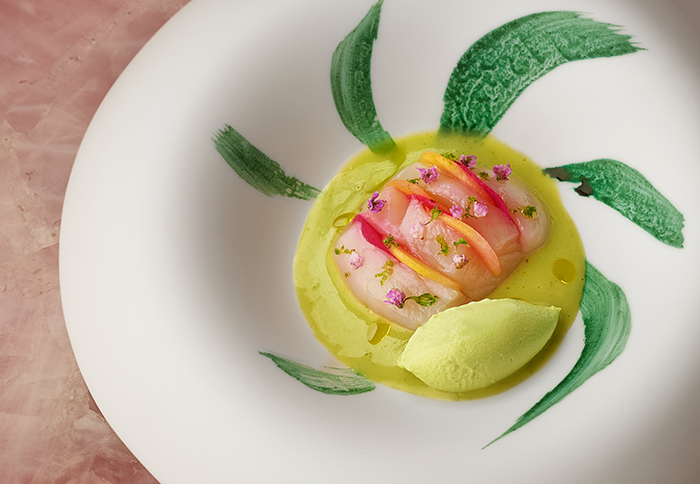
Ceviche holds a special place within that story. While widely associated with Peru, for Araya it represents the broader Pacific identity that connects much of Latin America’s coastline. His version focuses on balance, clarity and product, highlighting pristine fish, precise acidity and layered aromatics that enhance rather than overpower.
Although they share the same foundation of fresh raw fish cured in citrus, Chilean and Peruvian ceviches differ in style, intensity and intention. Peruvian ceviche, is defined by sharp acidity, bold seasoning and immediacy: fish is typically marinated briefly in lime juice and combined with ingredients such as onion, chilli (ají), cilantro and leche de tigre, creating a vibrant, punchy dish built around contrast and brightness. Chilean ceviche, by contrast, tends to be more restrained and delicate, often allowing the seafood itself to take center stage. It may use a slightly longer cure, softer acidity, fewer aggressive aromatics and a cleaner presentation that emphasizes texture, freshness and the natural sweetness of the fish.
While Peruvian ceviche expresses intensity and cultural identity through bold flavor, Chilean ceviche is frequently more subtle, product-driven and quietly elegant. “One of the similarities between the pacific coast of the Americas and South East Asia is that both love strong flavours presented in fresh dishes. At Araya the ceviche is a signature and a guest favorite. A dish that we always choose to start the menu and one that everyone recognises and loves,” explains chef Francisco.
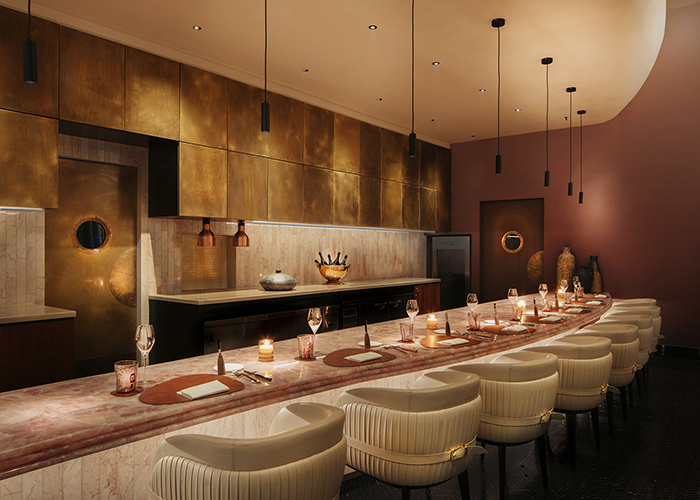
Like much of his cuisine, Araya’s ceviche is about respect — respect for the ingredient, for technique and for the memory of coastal cooking across Latin America. It is a dish that appears simple, yet relies on precision, timing and sensitivity, embodying the quiet sophistication that defines Francisco Araya’s cooking.
His Rainbow Ceviche is one of the signatures at his restaurant. Francisco explains that the leche de tigre he uses to make it took shape during his time in Japan, a period that still reveals itself in the precision of the dish. The acidity is carefully calibrated and bright enough to lift and balance the richness of the seafood, yet restrained so it never dominates the palate. He uses Hokkaido scallops, prized for their sweetness and purity, allowing their oceanic character to shine rather than be overshadowed. Oca and daikon introduce layers of texture along with a gentle, earthy sweetness, while an avocado sorbet brings the dish together, adding creaminess, a refreshing chill and a reminder that temperature itself plays a crucial role in flavor.
ARAYA
Duxton 83 Niel Road, Duxton Hl, #01-08, access via, Singapore 08981
www.arayarestaurant.com
Chilean Rainbow Ceviche

Total Time: 1 hour plus freezing time

Yield: Serves 4

Diet: Low Calorie

Print Recipe

Pin Recipe
Description
A very delicate and flavorful Chilean ceviche of scallops, served with a very special leche de tigre and avocado sorbet. One of the signature dishes of chef Francisco Araya at his Michelin-starred restaurant Araya in Singapore.
Ingredients
Units
For The Clam Stock
- Manila Clams: 2.2 lbs (cleaned)
- Banana Shallot: 1 large (approx. 2/3 cup sliced)
- Garlic: 2 cloves, halved
- Thyme: 4 sprigs
- Dry White Wine: 2/3 cup
- White Peppercorns: 1 tsp
- Water: 8.5 cups
For the Leche de Tigre Base
- Clam stock: 3 1/2 cups
- Ginger: 2-inch piece, peeled and sliced
- Garlic: 2-3 cloves
- Banana Shallot: 1 medium (approx. 1 cup sliced)
- Tabasco: 2 tsp
- Cilantro: 1/2 cup (packed leaves and soft stems)
- Lemon Juice: 1 cup
- Extra Virgin Olive Oil: 2 tbsp
- Salt: To taste
- Xanthan Gum: 1/4 tsp (for stabilization)
For the Scallops
- Large Scallops: 7 oz
- Shio Koji: 1 1/4 cups
For the Pickled Daikon
- White Wine Vinegar: 3/4 cup + 1 tbsp
- Sugar: 1/2 cup
- Water: 1 1/4 cups
- Salt: 2 tsp
- Daikon Radish: 1 small, sliced paper-thin
- Beetroot Juice: 2 tbsp (for natural pink coloring)
For the Compressed Oca
- Oca (Yellow): 3.5 oz (approx. 3-4 tubers)
- Water: 2/3 cup
- Salt: To taste
For the Avocado Sorbet
- Banana Shallot: 1 tbsp, minced
- Green Chili: 1 small (serrano), seeded
- Celery: 2 tbsp, chopped
- Lime Juice: 3 tbsp
- Coconut Cream: 1.5 cups
- Garlic: 1 clove
- Fresh Cilantro: 2 tbsp, chopped
- Avocado Flesh: 1 small/medium avocado
- Ascorbic Acid: 1/4 tsp (Vitamin C powder)
- Sorbet Stabilizer: 5 tbsp (or 1/4 tsp Xanthan gum)
Instructions
Step 1: The Clam Stock
-
Sweat the shallots in a large pot until softened.
-
Add clams and garlic; stir well.
-
Deglaze with white wine and reduce the liquid by half.
-
Add water, thyme, and peppercorns. Bring to a boil, then simmer until flavorful.
-
Strain through a fine-mesh sieve and freeze (or chill thoroughly).
Step 2: The Leche de Tigre
-
Blend all ingredients (except Xanthan) until completely smooth.
-
Strain through a chinois or fine cloth.
-
Whisk in the Xanthan gum to stabilize the emulsion. Chill/Freeze.
Step 3: The Scallops
-
Marinate scallops in Shio Koji for exactly 3 minutes.
-
Strain and rinse slightly.
-
Sous vide at 136°F (58°C) for 5 minutes.
-
Immediately plunge into an ice bath to stop the cooking.
Step 4: Pickles & Compression
-
Daikon: Boil vinegar, sugar, water, and salt. Pour the hot liquid over the sliced daikon and beetroot juice. Let cool.
-
Oca: Slice the oca thin. Dissolve salt in water and vacuum-seal the oca with the brine twice to achieve a translucent texture.
Step 5: Avocado Sorbet
-
Blanch the garlic clove in boiling water 3 times (changing water each time) to mellow the flavor.
-
Blend shallots, garlic, celery, lime juice, coconut cream, and cilantro.
-
Add avocado and ascorbic acid; blend again until vibrant green.
-
Mix in the stabilizer and freeze in a Pacojet jar or an ice cream maker.
Notes
Plating & Presentation
Prepare the Scallop: Take the chilled scallop and make two clean horizontal cuts (creating three layers).
The Marinade: In a small bowl, gently toss the scallop slices with clear shoyu, a drizzle of olive oil, lime zest, and a pinch of sea salt.
The Assembly: Layer the scallop back together, interlacing the paper-thin slices of pickled daikon and compressed oca between the scallop layers.
The Garnish: Place the scallop in the center of a shallow bowl. Place a perfect quenelle of avocado sorbet next to it.
The Service: Pour the Leche de Tigre into a small carafe or pourer. At the table, pour the liquid around the scallop and enjoy immediately.
- Prep Time: 45 minutes
- Cook Time: 15 minutes
 Category: Appetizer
 Method: Infusion, Sous Vide
 Cuisine: Chilean
Nutrition
- Serving Size: 1 portion
- Calories: 285
The post Cook Like a Chef: Chilean Rainbow Ceviche by Francisco Araya appeared first on Honest Cooking and Travel.