
Plant-based companies have to compete with themselves and animal products. Safety could be the key thing that sets them apart and allows them to become more common on grocery store shelves.
Keeping food free of contaminants, as well as preserving its taste, color and smell, are essential metrics for manufacturers to follow. It is crucial for preventing foodborne illness and crises caused by recalls. These issues have plagued almost every corner of the food sector, particularly in the meat industry. Safety slips will also pose a risk to plant-based food safety if left unchecked, especially as it grows in demand and popularity.
Countering the “Health Halo” Effect

For plant-based products to succeed, food safety and quality experts need to treat them with the same level of compliance and safety as any other food. Just because they do not contain animal parts does not mean they are free from potential problems, and the industry needs to keep this top of mind if they want to stay competitive.
Lund University lecturer, Jenny Schelin, warned the food industry, saying, “There is a naive belief that plant-based food is safer than animal-based food. Unfortunately, this is not the case. Plant-based foods are just as vulnerable to the same pathogens we find in meat, fish, milk and eggs.”
There is a prominent health halo surrounding plant-based options, meaning the public’s perception of them is skewed because they are free from animal products. This mentality can also transfer to food workers, making them complacent when handling food and educating customers. In reality, these products deserve as rigorous testing as any other.
The High Cost of Contamination
Outbreaks from contaminated foods can ruin a brand’s reputation. People associate them with dangerous products and stop buying from them altogether. Plant-based companies cannot afford this hit to their market standing, especially when animal products already out compete vegetarian and vegan options. Plant-based makers are contending with their niche and also battling against the meat industry.
Complex Processing Increases Risk

Every food item has multiple processing steps, but plant-based alternatives could have even more. Every transition is an opportunity to invite contamination or a quality concern. This includes non-food items, such as metal or glass, entering the mix. It has made traceability a higher priority for food manufacturers, and plant-based operations must follow suit to preserve the nutritional and monetary value of their output.
Following compliance frameworks like ISO 22000 on food safety management is one of the best ways to know the industry’s top recommendations for supply chain oversight. ISO regularly updates its standards to accommodate the modern needs of the industry. For example, many plant-based foods contain fibrous elements, catching in processing equipment and making them harder to maintain. These difficulties could create more problems, but they are fixable with monitoring and robust management guidelines.
The Peril of Temperature Miscalculation
Temperature is one of the most critical factors in plant-based food safety. Manufacturers can see this in products that have been sold for years, such as pre-cut fruit cups. Researchers have observed fruit cocktails in various temperatures to see how it impacts the likelihood of Listeria. Temperatures of 8° Celsius or more were dangerous, while temperatures of 4° to 5° Celsius slowed down growth.
Animal products are vulnerable to temperature changes, but plants can be even more so. Manufacturers of meat replacements or milk alternatives, for example, need to use these prior case studies to inform their temperature management. Although plant-based products undergo processing and may contain additives to alter their properties, maintaining temperature resilience requires ongoing supervision.
The Allergen Minefield
Safety concerns extend beyond preventing the spread of illness. Competitive advantage requires plant-based foods to appeal to everyone, regardless of dietary restrictions or health conditions.
Unfortunately, many meat alternatives contain common allergens, like nuts and soy. One of the most common and dense plant protein products, seitan, is made from wheat, preventing those with Celiac disease from consuming it. If companies want to expand their market appeal, they have to prevent cross-contamination and introduce safe options for all consumers.
This means clearly labeling anything that is potentially exposed to these allergens. Stickers and safety information should be prominently displayed and easily accessible. Additionally, third-party allergen testing is vital for market competitiveness. This increases customer confidence.
Building a Brand on Trust

Ultimately, safety in plant-based food manufacturing is crucial because it enhances the brand’s visibility and desirability, making it more appealing to support. If the public associates vegetarian and vegan alternatives with health crises and recalls, manufacturers will fail to provide buyers with sustainable and diverse food options.
Regulatory changes and health issues in the meat industry could introduce more risks to those in the U.S. who eat poultry and pork. Officials are suggesting that these changes in safety will make it more dangerous to consume meat. As quality and safety become less mandated, fewer people may support the sector due to fear.
The plant-based industry cannot afford to fall into these traps to increase revenue. Reinforcing strict protocols will lead to greater business longevity rather than short-term profit gains from faster processing.
Plant-Based Food Safety Essentials for Market Friendliness
If plant-based foods are to compete with animal products and maintain market relevance, they must prioritize safety. This can enhance the workforce’s well-being while demonstrating respect for the public that supports them. Stakeholders must set this precedent early to influence the market’s future.
Related Articles
-

The number of food alerts related to plant toxins, including pyrrolizidine alkaloids (PAs) and tropane alkaloids (TAs), is increasing. Fortunately, new liquid chromatography with tandem mass spectrometry testing methods enable more accurate and efficient detection.
-

Over the past six months we have published a series of articles on many practical aspects of managing Listeria in Food Plants. This last article is a summary along with links to each of article in the series.
-

Food fraud, driven primarily by economic gain, can rapidly escalate from quality concerns into serious public health crises when adulteration goes undetected. Modern analytical technologies such as spectroscopy, chromatography, mass spectrometry, and PCR are effective tools to authenticate ingredients and…
-

Repeated oral exposure to H5N1 influenza virus in pasteurized milk does not cause adverse responses to subsequent influenza infection
-
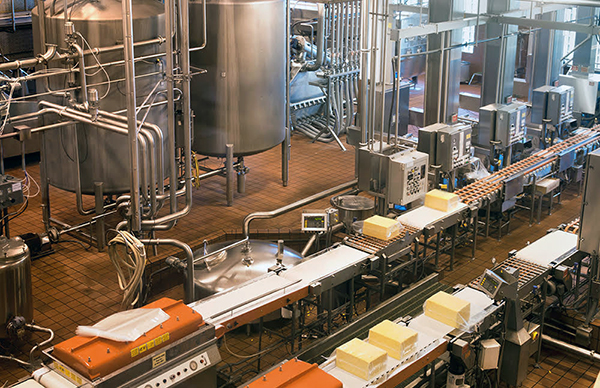
Humans introduce many contaminants into food manufacturing facilities. If robotics took over, safety would increase. However, stakeholders must feel inspired to balance the workforce with automation to achieve peak results.
-

Nassau County Executive Bruce Blakeman is advocating for gluten labels to be added to all food packaging and restaurant menus.