Summer produce is at its peak — and unfortunately, so is the potential for pesticide exposure. EWG’s 2026 Dirty Dozen list featured a host of summer’s most tantalizing bounty, from plump peaches to bright, shiny cherries and antioxidant-rich blueberries. But as these and other items hit their sweetest, most seductive peak in summer, it’s essential to shop smart and safe.
But the news isn’t all bad: While a handful of summer produce items are indeed ripe for contamination, other seasonal treats featured on the organization’s Clean Fifteen, making them some of the safest conventional buys of the year.
This article is the summer chapter of the seasonal series we launched earlier this year with the spring produce guide. Consider it your shopping handbook when sourcing produce during these warmer months. So what fruit is in season right now for you to take advantage of? Read on for your cheat sheet on which summer produce items are best to buy organic and which are safe to source conventionally, so that you can bask in the glory of fresh summer produce all season long.
Summer Produce to Always Buy Organic
This year’s Dirty Dozen list featured a host of summer fruits and vegetables, many of which were contaminated with PFAS. And much to our chagrin, summer’s most iconic fruits — stone fruits and berries — were heavily contaminated with fludioxonil, a neurotoxin typically used as a fungicide that has notably been linked to neurodegeneration and behavioral abnormalities1. To avoid this and other pesticides, here are the items where we’d most highly recommend choosing organic out of the vegetables and fruit in season now.
Peaches and Nectarines
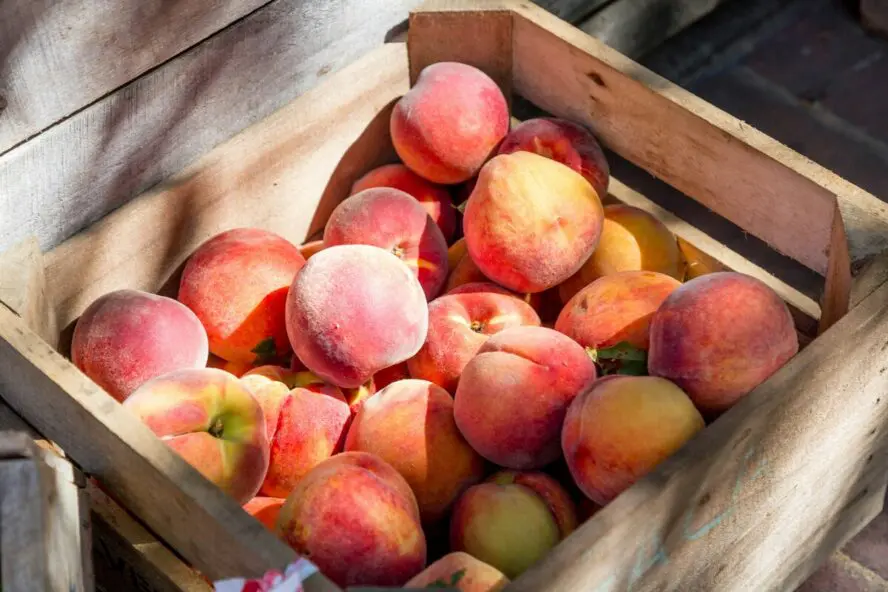
Peaches and nectarines are currently in their peak season, which will last from June to September. They’re juicy and sweet, and just as delicious as an ice cream topping as they are grilled and charred for a summer salad. But these summer fruits aren’t without their risks: Nectarines featured as the fifth-most contaminated item on this year’s Dirty Dozen, followed closely by peaches in sixth place. EWG found that more than 90 percent of these stone fruits tested positive for fludioxonil, and since these fruits have very soft skins, they absorb the pesticides more easily than produce items with a thicker, more protective outer layer.
Our recommendation? Seek out organic nectarines and other stone fruit whenever possible this summer, or better yet, buy from small local producers, who have the luxury of picking the fruit at the peak of its ripeness. Be sure to ask your farmer about his or her practices when it comes to sprays — even without the organic certification, there are still many small producers that often spray minimally with all-natural sprays or not at all, making their produce just as safe for consumption.
Blueberries
Blueberries are a nutritional powerhouse and one of the richest sources of antioxidants out there2. But if you’re wondering, “should I buy organic blueberries?” — the answer is likely yes. Unfortunately, they returned to the Dirty Dozen list this year, securing the doubtful honor of twelfth place due to rising contamination rates. Much like with stone fruit, the thin skin of blueberries enables quick absorption of contaminants that no rinse will ever fully remove.
Blueberries notably featured residues of organophosphate insecticides, a class of pesticides linked to negative effects on the nervous system3. And since blueberries are a popular choice for kids, it’s all the more essential to seek out organic versions wherever possible if you want to keep your blueberry pie and breakfast granola bowl pesticide-free.
Cherries
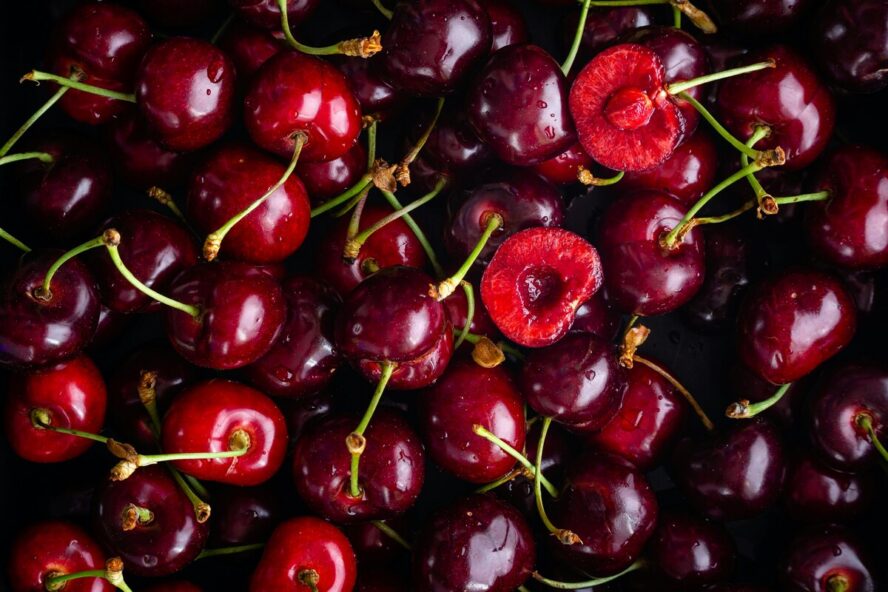
More than eighty percent of cherries tested positive for PFAS pesticides — and that’s not all. Cherries were found to be treated with multiple classes of pesticides over the course of their short growing season. And like many of the other items on this list, their thin skin offers nearly no protective barrier, allowing those pesticides to seep into the delicate flesh.
And this isn’t the only issue to consider when sourcing cherries this summer. Domestic cherry season is brief, starting in June and lasting only through July in most regions. As a result, many cherries available in supermarkets in shoulder seasons are imported from countries and regions with different pesticide regulations than the U.S., which could lead to an even higher likelihood of contamination. All the more reason to choose organic cherries whenever possible.
Blackberries
Blackberries joined the Dirty Dozen for the first time last year, and they’re back this year with a vengeance — 93 percent of samples were found to contain pesticide residues.
Blackberries notably boasted a wide range of pesticides, with an average of four different pesticides per sample. These often included cypermethrin, a possible human carcinogen, which was found in over half of conventional blackberry samples. Of course, blackberries are also delicious and packed with anthocyanins that soothe inflammation, so this isn’t a blanket warning to stay away. Instead, just plan to source organic versions of this summer staple during its short season from July to August.
Other berries like strawberries and grapes came into season this spring and were covered in depth in our spring guide. Although they won’t be at their peak through summer, continue to be vigilant about sourcing these items too.
Safe Summer Swaps: Clean Fifteen Wins
Luckily, it’s not all bad news. EWG always releases its Dirty Dozen list with an associated Clean Fifteen list. This list features produce items with little to no pesticide residue, and nearly 60 percent of this year’s Clean Fifteen samples had no detectable pesticide residues at all.
So what does that mean for you? Some of the best summer fruits and vegetables (like watermelon, sweet corn, and mangoes) are truly safe from pesticides — even when you don’t buy organic. Choosing conventional sources for these items is a great way to reduce your grocery bill without guilt or fear of contamination.
Watermelon
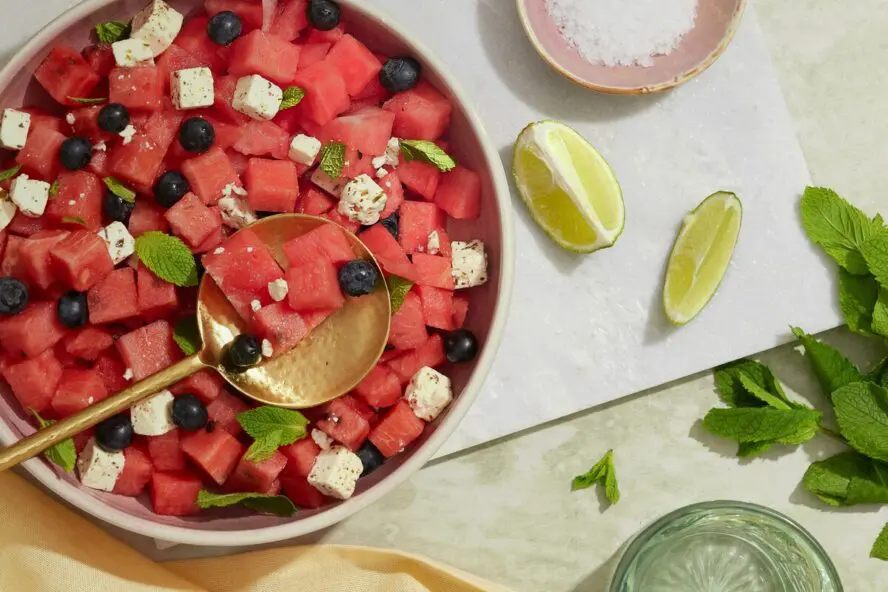
Watermelon’s thick rind acts as a natural barrier to entry for pesticides, which cannot penetrate to the edible flesh. This helped it earn its tenth place position on the Clean Fifteen list, meaning you can source conventional watermelon guilt-free.
That said, if you are opting out of organic watermelon, a word of caution. The rind of conventional watermelon may still be contaminated by pesticides4, with a Consumer Reports analysis finding that about three percent of samples contained oxamyl, a pesticide that is illegal in the EU due to associated health risks5. To better mitigate your risk, wash watermelon well before slicing, and be mindful of washing technique to further reduce the risk of contamination. And if you’re thinking about making your grandma’s pickled watermelon rind recipe this summer, best opt for organic. Otherwise, rest assured that conventional watermelon should have you covered!
Sweet Corn
Corn is at its peak from June all the way to August, and you can eat to your heart’s content: It earned second place on the Clean Fifteen list thanks to relatively low spraying. In tandem with the protective benefits of its natural husk, this means you can shop conventional safely and with confidence.
It’s worth noting that while most conventional sweet corn grown in the U.S. is non-GMO, a small fraction of it is indeed produced using GMO seed stock. While the risk of pesticide contamination remains low regardless, if GMO avoidance matters to you, be sure to seek out organic or Non-GMO Project verified corn.
Mangoes
Mangoes are available all year long, but their peak is from May to September, when many imported and Hawaiian mangoes are at their best. And lucky for mango fans, this tropical fruit placed 11th on this year’s Clean Fifteen list. They’re delicious on their own, in fresh and spicy mango salads, vegan chia puddings, and sweet treats like Thai mango sticky rice. Not only are mangoes comparatively low in pesticides as compared to a lot of other summer produce items, but even when they are sprayed, their thick outer skin typically helps keep pesticides from being absorbed into their flesh.
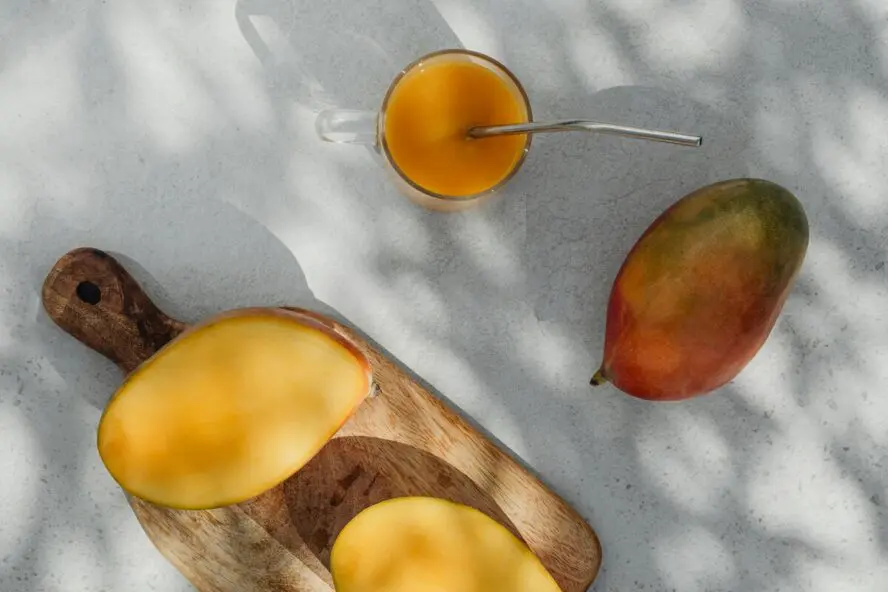
As with watermelons, it’s best to take precautions and wash mangoes well before slicing and enjoying, especially if you’re buying conventional. But for the most part, you can enjoy this tasty fruit to your heart’s content!
Cantaloupe and Honeydew
Melon season isn’t just about watermelon — it’s got much more to offer. Fragrant cantaloupe and honeydew are also both in their prime in summer, and while they don’t feature on the Clean Fifteen, they have historically appeared on the list thanks to their low pesticide load6.
As with watermelon, these melons benefit from their thick, protective rinds, which help protect the flesh from being contaminated. And as with watermelon, you’ll also want to take care to wash the outside of any conventional melons before slicing to best avoid possible pesticide exposure as you reap their health benefits. Try a refreshing cold soup or some creative salads.
Summer Squash and Zucchini
Similarly to melons, summer squash (including zucchini) don’t technically feature on either the Dirty Dozen or Clean Fifteen list. But according to FoodPrint, an advocate for a more sustainable food system, they tend to have a lower pesticide load than many other summer produce items6.
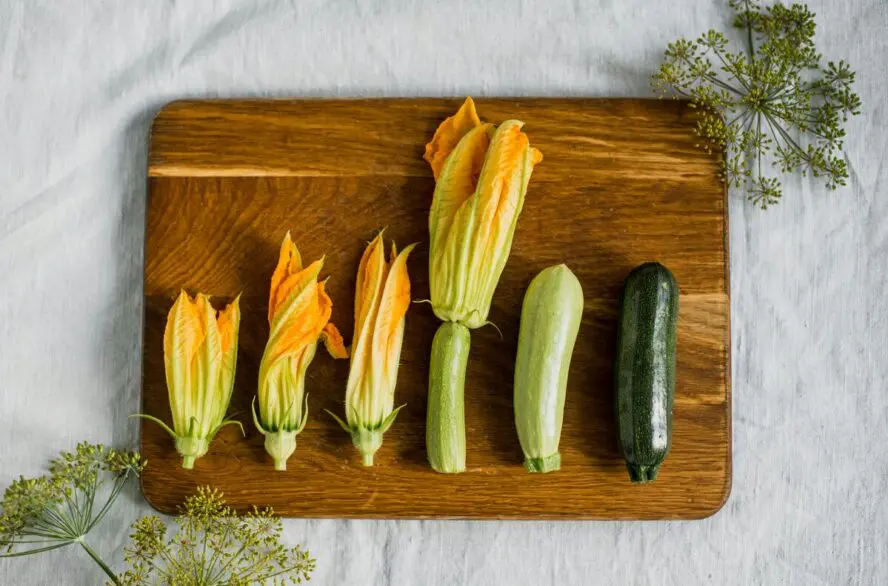
Even GMO zucchini, which represents a fraction of summer squash production in the U.S., is unlikely to boast pesticide residues, seeing as it’s engineered. This doesn’t mean they better allow for potentially toxic spraying, but rather they reduce the likelihood of it developing certain plant diseases7. So buy it by the bushel — it’s delicious, and healthful to boot.
The PFAS Summer Context
This year’s Dirty Dozen list put a particular spotlight on PFAS pesticides, which contain harmful per- and polyfluoryoalkyl substances. Also known as “forever chemicals,” PFAS are characterized by their particular pervasiveness in the environment, and given their recent prominence in the media and increased scrutiny from authoritative bodies like the European Food Safety Authority, EWG decided to pay particular attention to their presence when compiling this list.
“PFAS pesticides have been used on U.S. produce for multiple years, but we chose to highlight their presence this year in light of increasing public concern about PFAS exposure,” explains EWG Science Analyst Varun Subramanian.
PFAS pesticides include fludioxonil, a fungicide applied to stone fruits both during growing and post-harvest. And stone fruits and berries, in particular, were found to carry a heavy fludioxonil load, making it even more important to be vigilant when shopping.
When Organic Is Worth It
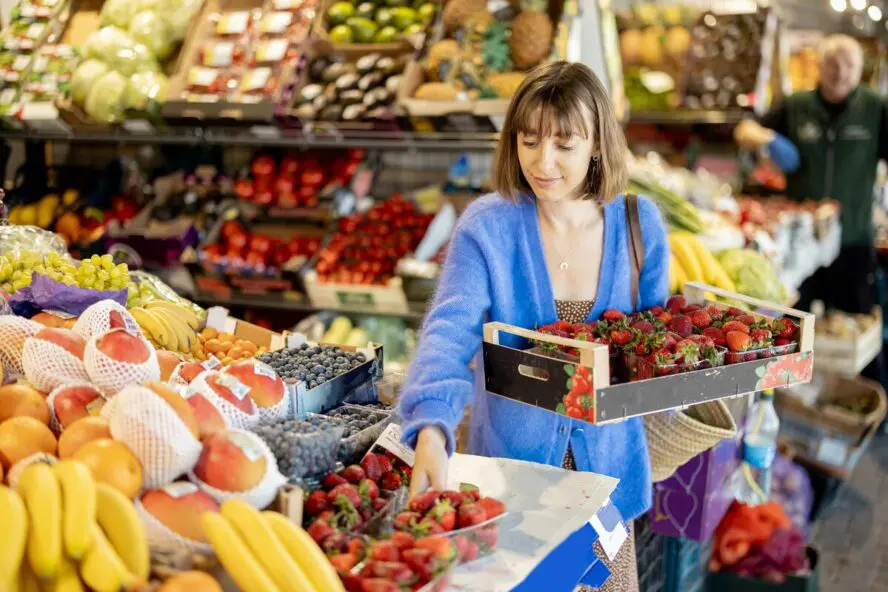
Choose organic options for any produce items on the Dirty Dozen, which includes summer staples like strawberries, grapes, nectarines, peaches, cherries, blackberries, and blueberries. And generally, any thin-skinned produce is best bought organic, seeing as pesticides can seep into the flesh and are impossible to completely remove, even with thorough washing.
If you have kids, consider choosing organic versions of any produce items they eat frequently, as bioaccumulation is of particular concern when it comes to pesticide exposure8. Organic blueberries could make a big difference, for example, when you consider how many your child is eating on a daily basis.
When Conventional Is Fine
Organic produce is more expensive, so we understand the impulse to choose conventional alternatives whenever possible. And luckily, the Clean Fifteen is your invitation to do just that. Feel safe to opt for conventional versions of items on the Clean Fifteen list like sweet corn, watermelon, and mango.
You’re also pretty safe choosing conventional versions of thick-skinned produce like melons, seeing as these protective outer layers help keep the delicate fruit inside from being contaminated from potential residues. Just do your best to take special care to wash them before digging in.
How to Reduce Exposure on Conventional Produce
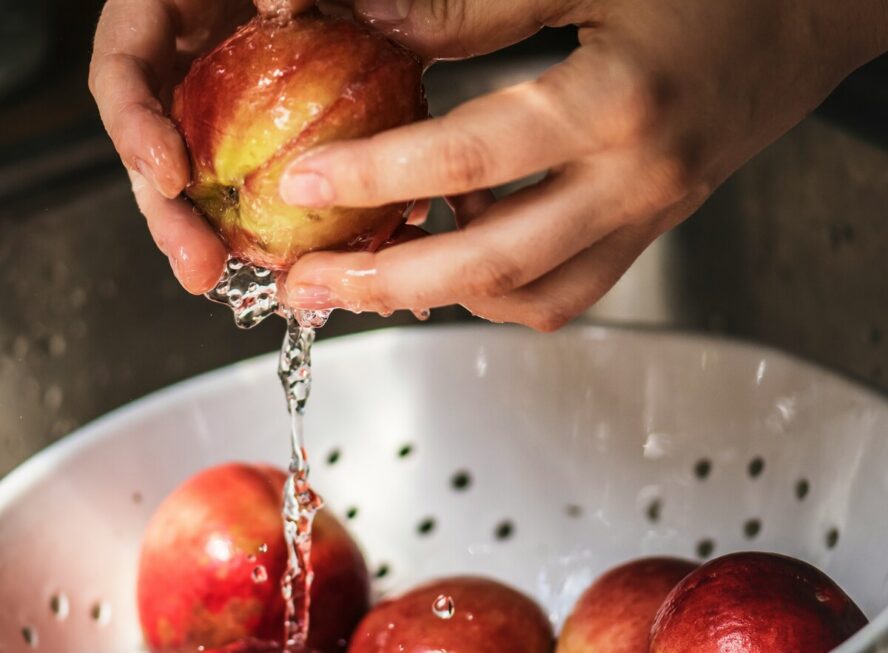
If you can’t always opt for organic produce when it comes to the Dirty Dozen, you can still take added precautions to minimize your exposure when eating conventional. Follow the steps in our guide to washing produce, including rinsing produce items under cold running water for at least fifteen seconds. For berries and stone fruits, use a three-to-one vinegar-to-water soak to reduce surface residues, and consider peeling any conventional versions of highly contaminated items like peaches and nectarines.
Finally, whenever possible, opt for domestic over imported. This rings especially true for cherries once their short season ends. While these precautions won’t reduce all pesticides, it’s definitely a good place to start — especially when you’re dealing with thinner-skinned produce.
Final Thoughts
Whenever EWG publishes its Dirty Dozen list, it’s always with one huge caveat: The health benefits of fresh produce far outweigh the health risks posed by pesticide contamination. Summer does not have to be an all-or-nothing organic commitment.
If you can only make one organic upgrade this season, prioritize organic for stone fruits and berries: The PFAS data shows this is the highest-value swap of the season. Feel confident buying conventional watermelon, sweet corn, and mangoes, and use your best judgment when sourcing other delicious items at farmstands, organic shops, and in the conventional produce aisle of your local grocery store.
Above all, don’t hold back from enjoying the fruits of summer’s bounty — and circle back in September to get our guide to shopping for fall produce safely, healthily, and deliciously.
Sources:
- https://www.sciencedirect.com/science/article/pii/S014765132500332X
- https://pmc.ncbi.nlm.nih.gov/articles/PMC7442370/
- https://pmc.ncbi.nlm.nih.gov/articles/PMC3601543/
- https://www.consumerreports.org/health/healthy-eating/is-watermelon-good-for-you-a6724831546/
- https://agrinfo.eu/book-of-reports/oxamyl-non-renewal-of-eu-approval/
- https://foodprint.org/real-food/zucchini-and-summer-squash/
- https://www.nongmoproject.org/blog/dont-be-caught-off-gourd-by-gmo-zucchini/
- https://pmc.ncbi.nlm.nih.gov/articles/PMC11664077/

Add Organic Authority as a preferred source on Google?